Bill · H.R. 4237· House(119-HR-4237)
Stopping Executive Clearance Unfair Revocation Efforts Act
- Introduced
- 6/27/2025
- Last activity
- 6/27/2025 — Referred to the House Committee on Oversight and Government Reform.
- Sponsored by
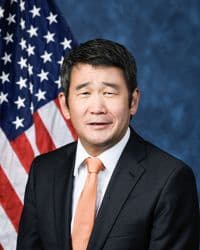
- Dave Min
- Cosponsors
- - 13 - 0
- Introduced
- In Committee
What this bill would do
This bill, known as the "Stopping Executive Clearance Unfair Revocation Efforts Act" or the "SECURE Act," seeks to amend the National Security Act of 1947. It aims to clarify requirements regarding the processes for denying or terminating eligibility for access to classified information. Specifically, it changes the scope of due process requirements from "employees in the executive branch of Government" to "individuals." Additionally, the bill requires an annual report to include specific data regarding security clearance denials and revocations. This includes the number of individuals affected, the department or agency involved, the reasons for the action, and the outcomes of any appeals.
Yes
Does this protect the right to fair treatment by the courts?+7
It expands due process requirements for security clearance actions to apply to all individuals rather than just executive branch employees.
Does this make what the government does easier for the public to see?+5
The bill mandates more detailed annual reporting on security clearance denials and revocations.
The opposite
No question was scored the opposite.
Who it would affect, and how
Potential Positive Impacts for People
-
Expanded Due Process Protections: By changing the language from "employees in the executive branch of Government" to "individuals," the bill expands the scope of requirements for due process protections during the denial or termination of security clearance eligibility (Section 2(a)).
-
Increased Transparency on Clearances: The bill requires new information to be included in annual reports, such as the number of individuals denied or whose clearances were revoked (Section 2(b)(1)).
-
Accountability for Agencies and Entities: The bill mandates that reports identify the specific department, agency, or private-sector entity involved in a denial or termination (Section 2(b)(2)).
-
Clarity on Decision Making: The requirements include an explanation of the reasons behind a denial or termination, providing more insight into why these actions occur (Section 2(b)(2)).
-
Insight into the Appeals Process: The bill requires a description of the outcomes of any appeals or reviews regarding denials or terminations, allowing for oversight of how these disputes are resolved (Section 2(b)(2)).
Potential Negative Impacts for People
- No negative impacts are explicitly stated in the provided text.
Groups and Interests Ranking
Every group the model scored this bill for, from -10 to +10. Hover a score for the reason it gave.
- Governance And Ideology
- Improves Due Process+7Improves Government Transparency+5
- 7/16/2025
- 1 Cosponsor added.
- 7/2/2025
- 1 Cosponsor added.
- 6/27/2025
- Referred to the House Committee on Oversight and Government Reform.
- 11 Cosponsors added.
- Introduced in House
 Ami Bera
Democrat · California
 Donald Beyer
Democrat · Virginia
 André Carson
Democrat · Indiana
 Sean Casten
Democrat · Illinois
 Henry Johnson
Democrat · Georgia
 Pramila Jayapal
Democrat · Washington
 Raja Krishnamoorthi
Democrat · Illinois
 Ted Lieu
Democrat · California
 April McClain Delaney
Democrat · Maryland
 Mike Quigley
Democrat · Illinois
 Suhas Subramanyam
Democrat · Virginia
 Norma Torres
Democrat · California
 Jill Tokuda
Democrat · Hawaii