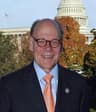
Steve Cohen (D-TN)
Private Student Loan Bankruptcy Fairness Act of 2025
A Democratic bill with 5 Democratic cosponsors · See all 5 cosponsors
Last activity — Referred to the House Committee on the Judiciary.
In committee
Introduced and handed to a committee in the chamber it started in.
The committee holds it, and most bills are never heard from again. A hearing or a committee vote would be news; silence is the usual outcome, and it kills the bill without anyone voting against it.
Its path through Congress
- Introduced
- In Committee
What this bill would do
This bill, titled the ``Private Student Loan Bankruptcy Fairness Act of 2025'', aims to amend title 11 of the United States Code. The primary purpose is to modify how certain educational payments and loans are handled during bankruptcy. It specifically targets the dischargeability of these debts. The changes involve amending section 523(a)(8) of title 11. These amendments apply to bankruptcy cases commenced on or after the date the Act is enacted.
Yes· 3 of 6
- Scored +6
Would students be better off under this?
The bill specifically addresses the dischargeability of debts related to educational programs.
- Scored +6
Does this reduce what student borrowers owe or repay?
The bill modifies the bankruptcy code to potentially make certain educational debts more easily dischargeable.
- Scored +5
Would people in their twenties and thirties be better off under this?
Making educational debts more dischargeable provides financial relief primarily to young adults who often carry student loan debt.
The opposite
No question was scored the opposite.
Who it would affect, and how
Potential Positive Impacts for People
- Modified Debt Dischargeability: The bill modifies the exceptions to discharge for certain educational debts under section 523(a)(8). This change applies to any program where substantially all funds are provided by a specific entity, potentially making certain educational debts easier to discharge in bankruptcy. (Section 2)
Potential Negative Impacts for People
- No specific negative impacts are explicitly detailed in the text: The provided text focuses on the mechanics of amending the code regarding debt dischargeability but does not list specific negative consequences or burdens. (Section 2)
Groups and Interests Ranking
Every group the model scored this bill for, from -10 to +10. Tap or hover a score for the reason it gave.
- Demographic And Interest Groups
- Would students be better off under this? — The bill specifically addresses the dischargeability of debts related to educational programs. Would households on low incomes be better off under this? — Easing the discharge of educational debt can provide much-needed financial relief to low-income households. Would people in their twenties and thirties be better off under this? — Making educational debts more dischargeable provides financial relief primarily to young adults who often carry student loan debt.
- Education And Technology
- Does this reduce what student borrowers owe or repay? — The bill modifies the bankruptcy code to potentially make certain educational debts more easily dischargeable.
- Social Issues And Justice
- Is this likely to lift people out of poverty? — By expanding the circumstances under which educational debts can be discharged in bankruptcy, the bill may help individuals move past debt to reduce poverty risks.
- Governance And Ideology
- Does this protect the right to fair treatment by the courts? — The bill alters the legal treatment of educational debt during bankruptcy proceedings.
- 5/1/2025
- 1 Cosponsor added.
- 1/15/2025
- Referred to the House Committee on the Judiciary.
- 4 Cosponsors added.
- Introduced in House
 Julia Brownley
Democrat · California
 Danny Davis
Democrat · Illinois
 Ro Khanna
Democrat · California
 Gwen Moore
Democrat · Wisconsin
 Eric Swalwell
Democrat · California