Bill · H.R. 418· House(119-HR-418)
Ensuring Accountability in Agency Rulemaking Act
- Introduced
- 1/15/2025
- Last activity
- 1/15/2025 — Referred to the House Committee on the Judiciary.
- Sponsored by
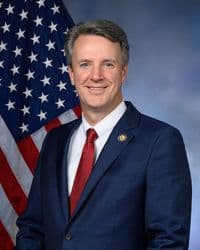
- Ben Cline
- Cosponsors
- - 10 - 1
- Introduced
- In Committee
What this bill would do
This bill, known as the "Ensuring Accountability in Agency Rulemaking Act," seeks to change how agency rules are handled. It requires that any rule issued under section 553 of title 5 must be issued and signed by a Senate-confirmed appointee. Additionally, it mandates that the initiation of rulemaking and regulatory agendas must be handled by a senior appointee. The head of an agency is responsible for ensuring compliance with these rules. The Administrator of the OIRA will provide guidance and monitor agency compliance. There are specific exceptions available if the agency head determines that following these rules would impede public safety or security.
Yes
Does this give the federal government more power?+5
The bill centralizes regulatory authority by requiring Senate-confirmed appointees to sign and initiate all agency rules.
Does this make what the government does easier for the public to see?+4
The bill enhances accountability by requiring high-level political appointees to be personally responsible for agency rules.
The opposite
No question was scored the opposite.
Who it would affect, and how
Potential Positive Impacts for People
-
Increased Accountability through Signature Requirements: Under Section 2(a)(1), rules must be issued and signed by an individual appointed by the President with the advice and consent of the Senate. This ensures that high-level, Senate-confirmed officials are personally responsible for the rules being promulgated.
-
Leadership in the Rulemaking Process: According to Section 2(a)(2), the initiation of rulemaking and regulatory agendas must be led by a senior appointee, ensuring that those in high-level positions are driving the agency's regulatory direction.
-
Ensuring Compliance via Oversight: Section 2(b) requires the head of each agency to ensure all rules adhere to these requirements, with the Administrator of the OIRA providing guidance and monitoring. This creates a system of checks to ensure the new rules are being followed.
Potential Negative Impacts for People
-
Potential Delays in Urgent Situations: While there is an exception in Section 2(a)(3) for when compliance might impede public safety or security, the requirement for senior-level signatures and initiation could create hurdles in the rulemaking process.
-
Administrative Burdens for Exceptions: If an agency head chooses to use the exception mentioned in Section 2(a)(3), they must submit a notification to the Administrator and publish that notification in the Federal Register, which adds extra steps to the process.
Groups and Interests Ranking
Every group the model scored this bill for, from -10 to +10. Hover a score for the reason it gave.
- Governance And Ideology
- Increases Federal Power+5Improves Government Transparency+4
- 6/23/2025
- 1 Cosponsor added.
- 2/21/2025
- 2 Cosponsors added.
- 1/21/2025
- 1 Cosponsor added.
- 1/15/2025
- Referred to the House Committee on the Judiciary.
- 7 Cosponsors added.
- Introduced in House
 Josh Brecheen
Republican · Oklahoma
 Dan Crenshaw
Republican · Texas
 Jake Ellzey
Republican · Texas
 Scott Fitzgerald
Republican · Wisconsin
 Mark Green
Republican · Tennessee
 Jared Golden
Democrat · Maine
 Brandon Gill
Republican · Texas
 Harriet Hageman
Republican · Wyoming
 W. Steube
Republican · Florida
 Jefferson Van Drew
Republican · New Jersey
 Daniel Webster
Republican · Florida