Bill · H.R. 4131· House(119-HR-4131)
Respectful Treatment of Unborn Remains Act of 2025

- Introduced
- 6/25/2025
- Last activity
- 6/25/2025 — Referred to the House Committee on Energy and Commerce.
- Sponsored by
- Brandon Gill
- Cosponsors
- - 5 - 0
- Introduced
- In Committee
What this bill would do
This bill, titled the "Respectful Treatment of Unborn Remains Act of 2025," aims to prevent fetal remains from being placed into publicly owned water systems. It specifically prohibits abortion providers from causing such remains to be introduced into these water infrastructures. If a provider violates this rule, they could face fines or up to five years in prison. The Act ensures that the individual receiving the abortion is not held liable for these violations. Additionally, the bill does not prevent states or local governments from passing their own requirements regarding this issue.
Yes
Does this better protect air, water and wildlife?+3
The bill aims to protect public water systems from contamination by fetal remains and medical waste.
Does this give the federal government more power?+2
The bill expands federal authority by establishing new prohibitions and criminal penalties for abortion providers.
The opposite
Does this make abortion easier to get?-3
The bill imposes criminal penalties and fines on abortion providers, which may act as a deterrent or regulatory burden on access.
Would women be better off under this?-2
The bill imposes criminal liability on providers, which may indirectly impact women's access to reproductive healthcare.
Who it would affect, and how
Potential Positive Impacts for People
-
Protection of water systems: The bill prohibits an abortion provider from causing fetal remains, including medical waste, to be placed into systems used to provide, transport, or treat water (Section 2, subsection a and definitions).
-
Liability protection for patients: An individual upon whom an abortion is performed shall not be liable for any offense related to a violation of this act (Section 2, subsection c).
Potential Negative Impacts for People
- Penalties for providers: An abortion provider who violates the prohibition may be subject to fines or imprisonment for up to five years (Section 2, subsection b).
Groups and Interests Ranking
Every group the model scored this bill for, from -10 to +10. Hover a score for the reason it gave.
- Environment Energy And Infrastructure
- Improves Environmental Protections+3
- Healthcare
- Improves Abortion Access-3
- Demographic And Interest Groups
- Good For Women-2
- Governance And Ideology
- Increases Federal Power+2
- 8/8/2025
- 1 Cosponsor added.
- 6/26/2025
- 1 Cosponsor added.
- 6/25/2025
- Referred to the House Committee on Energy and Commerce.
- 3 Cosponsors added.
- Introduced in House
One bill Congress.gov lists as related to this one — companions in the other chamber, earlier versions, and bills this one absorbed or was folded into.
 Sheri Biggs
Republican · South Carolina
 Marjorie Greene
Republican · Georgia
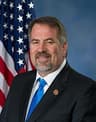 Doug LaMalfa
Republican · California
 Mary Miller
Republican · Illinois
 Marlin Stutzman
Republican · Indiana