Bill · H.R. 4057· House(119-HR-4057)
CBP Canine Home Kenneling Pilot Act
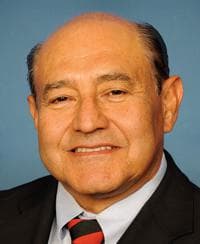
- Introduced
- 6/20/2025
- Last activity
- 9/26/2025 — Placed on the Union Calendar, Calendar No. 266.
- Sponsored by
- J. Correa
- Cosponsors
- - 4 - 5
- Introduced
- On Calendar
What this bill would do
This bill establishes the "CBP Canine Home Kenneling Pilot Act" to create a pilot program within the U.S. Customs and Border Protection (CBP) Office of Field Operations. The program aims to assess if housing canines at the residences of their handlers instead of centralized facilities provides benefits to the canines and their handlers. The Executive Assistant Commissioner is tasked with creating guidance and training before the program begins. The program must include at least ten ports of entry, covering seaports, airports, and land ports in both urban and rural areas. Participation for canine handlers must be voluntary. The pilot is intended to run for at least two years but must end within three years of its establishment.
Yes
Would union members be better off under this?+2
The bill requires consultation with the National Treasury Employees Union during the development of the pilot program guidance.
Does this tighten control of the border?+1
The bill establishes a pilot program for canine home kenneling to assess potential benefits for CBP Office of Field Operations functions.
The opposite
No question was scored the opposite.
Who it would affect, and how
Potential Positive Impacts for People
-
Benefits to Handlers and Canines: The program is designed to assess whether home kenneling benefits both the canine handlers and the canines themselves (Section 2(a)).
-
Handler Autonomy and Choice: Participation in the pilot program is on a voluntary basis, allowing handlers to choose whether or not to participate (Section 2(d)(3)).
-
Comprehensive Care Training: Handlers will receive training to take full responsibility for a canine's daily care, including feeding, exercise, and medical needs (Section 2(c)(1)).
-
Integration Assistance: The program includes the dissemination of best practices to help integrate a working canine into a handler's residence (Section 2(c)(2)).
Potential Negative Impacts for People
- Increased Responsibility for Handlers: Handlers participating in the program must take on full responsibility for the daily care of the canine, including its feeding, exercise, and medical needs (Section 2(c)(1)).
Groups and Interests Ranking
Every group the model scored this bill for, from -10 to +10. Hover a score for the reason it gave.
- Demographic And Interest Groups
- Good For Union Workers+2
- Social Issues And Justice
- Improves Border Security+1
- 9/26/2025
- Reported by the Committee on Homeland Security. H. Rept. 119-312.
- Placed on the Union Calendar, Calendar No. 266.
- 1 Cosponsor added.
- 7/21/2025
- 1 Cosponsor added.
- 7/14/2025
- 1 Cosponsor added.
- 6/25/2025
- Subcommittee on Border Security and Enforcement Discharged
- Committee Consideration and Mark-up Session Held
- Ordered to be Reported by Voice Vote.
- 2 Cosponsors added.
- 6/23/2025
- 1 Cosponsor added.
- 6/20/2025
- Referred to the House Committee on Homeland Security.
- Referred to the Subcommittee on Border Security and Enforcement.
- 3 Cosponsors added.
- Introduced in House
 Tony Gonzales
Republican · Texas
 Timothy Kennedy
Democrat · New York
 Michael Lawler
Republican · New York
 Morgan Luttrell
Republican · Texas
 Nicole Malliotakis
Republican · New York
 LaMonica McIver
Democrat · New Jersey
 Zachary Nunn
Republican · Iowa
 Frank Pallone
Democrat · New Jersey
 Nellie Pou
Democrat · New Jersey