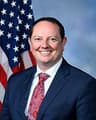
Eric Burlison (R-MO)
Propane Accessibility and Regulatory Relief Act
A Republican bill with 2 Republican cosponsors · See all 2 cosponsors
Last activity — Referred to the Subcommittee on Cybersecurity and Infrastructure Protection.
In committee
Introduced and handed to a committee in the chamber it started in.
The committee holds it, and most bills are never heard from again. A hearing or a committee vote would be news; silence is the usual outcome, and it kills the bill without anyone voting against it.
Its path through Congress
- Introduced
- In Committee
What this bill would do
This bill, known as the "Propane Accessibility and Regulatory Relief Act," directs the Secretary of Homeland Security to provide specific exemptions. It aims to exempt certain propane tanks from CFATS regulations. Specifically, the relief applies to any propane tank with a capacity of up to 126,000 pounds. The bill was introduced in the House of Representatives on June 12, 2025.
Yes
- Scored +3
Would business owners be better off under this?
Business owners managing propane storage up to 126,000 pounds will benefit from reduced regulatory compliance requirements.
- Scored +3
Does this make it easier to run a small business?
The bill reduces regulatory burdens for businesses that utilize propane tanks up to 126,000 pounds by exempting them from CFATS regulations.
The opposite
- Scored -2
Does this better protect air, water and wildlife?
Reducing the regulatory oversight of large propane tanks may decrease the rigorous safety and environmental monitoring required under CFATS.
- Scored -2
Does this give the federal government more power?
The bill limits the regulatory authority of the Secretary of Homeland Security regarding the oversight of specific propane tanks.
- Scored -2
Does this give the government more power to monitor people inside the country?
The exemption reduces the scope of the Chemical Facility Anti-Terrorism Standards, which are designed to monitor and secure potentially hazardous materials.
Who it would affect, and how
Potential Positive Impacts for People
- Regulatory Relief for Propane Users: The Secretary of Homeland Security would be required to exempt propane tanks with a capacity of up to 26,000 pounds from CFATS regulations, as stated in Section 2. This provides relief from existing regulations defined in the Homeland Security Act of 2002.
Potential Negative Impacts for People
- No negative impacts are explicitly mentioned in the provided text.
Groups and Interests Ranking
Every group the model scored this bill for, from -10 to +10. Tap or hover a score for the reason it gave.
- Demographic And Interest Groups
- Would business owners be better off under this? — Business owners managing propane storage up to 126,000 pounds will benefit from reduced regulatory compliance requirements.
- Economy And Finance
- Does this make it easier to run a small business? — The bill reduces regulatory burdens for businesses that utilize propane tanks up to 126,000 pounds by exempting them from CFATS regulations.
- Environment Energy And Infrastructure
- Does this better protect air, water and wildlife? — Reducing the regulatory oversight of large propane tanks may decrease the rigorous safety and environmental monitoring required under CFATS.
- Governance And Ideology
- Does this give the federal government more power? — The bill limits the regulatory authority of the Secretary of Homeland Security regarding the oversight of specific propane tanks.
- National Security And Foreign Policy
- Does this give the government more power to monitor people inside the country? — The exemption reduces the scope of the Chemical Facility Anti-Terrorism Standards, which are designed to monitor and secure potentially hazardous materials.
- 6/24/2025
- 1 Cosponsor added.
- 6/17/2025
- 1 Cosponsor added.
- 6/13/2025
- Referred to the Subcommittee on Cybersecurity and Infrastructure Protection.
- 6/12/2025
- Referred to the Committee on Homeland Security, and in addition to the Committee on Energy and Commerce, for a period to be subsequently determined by the Speaker, in each case for consideration of such provisions as fall within the jurisdiction of the committee concerned.
- Introduced in House
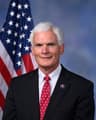 Robert Latta
Republican · Ohio
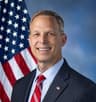 Scott Perry
Republican · Pennsylvania