Bill · H.R. 3738· House(119-HR-3738)
HMAG Act of 2025
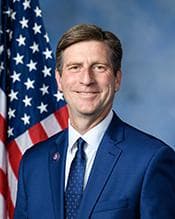
- Introduced
- 6/4/2025
- Last activity
- 6/5/2025 — Referred to the Subcommittee on Economic Development, Public Buildings, and Emergency Management.
- Sponsored by
- Greg Stanton
- Cosponsors
- - 0 - 2
- Introduced
- In Committee
What this bill would do
This bill, known as the "Heat Management Assistance Grant Act of 2025," seeks to amend the Robert T. Stafford Disaster Relief and Emergency Assistance Act. It aims to provide assistance to States and local governments when they respond to extreme heat events. The President, through FEMA, would be able to provide grants, equipment, supplies, and personnel for managing these events. To receive help, governments must submit specific assessments regarding potential loss of life, revenue, and impacts to infrastructure. The bill also requires the development of a specific temperature and duration threshold to define an extreme heat event.
Yes· 3 of 7
Does this improve help for people hit by a disaster?+7
The bill expands FEMA's authority to provide aid specifically for extreme heat events.
Would people over 65 be better off under this?+5
Mitigating extreme heat is highly beneficial for vulnerable senior populations.
Would retired people be better off under this?+5
The provision for heat management is significant for the health of retirees.
The opposite
No question was scored the opposite.
Who it would affect, and how
Potential Positive Impacts for People
-
Direct Aid for Heat Events: The President may provide assistance such as grants, equipment, supplies, and personnel to State or local governments to help manage and mitigate extreme heat (Section 2(a)).
-
Hazard Mitigation Support: Even if a major disaster is not declared, the President can provide hazard mitigation assistance in areas affected by extreme heat events that received assistance (Section 2(e)).
Potential Negative Impacts for People
-
Administrative Requirements: To be eligible for help, State or local governments must complete several required assessments, including predicting loss of life, loss of revenue, and potential long-term impacts to infrastructure (Section 2(c)).
-
Mandatory Agreements: The President will establish rules that may include requirements for specific agreements that a State or local government must enter into before receiving assistance (Section 2(f)(1)).
Groups and Interests Ranking
Every group the model scored this bill for, from -10 to +10. Hover a score for the reason it gave.
- Demographic And Interest Groups
- Good For Retirees+5Good For Seniors+5Good For Low Income Households+4Good For Urban Residents+4
- Environment Energy And Infrastructure
- Improves Disaster Relief And F E M A+7Improves Environmental Protections+5
- Governance And Ideology
- Increases Federal Power+3
- 9/10/2025
- 1 Cosponsor added.
- 6/5/2025
- Referred to the Subcommittee on Economic Development, Public Buildings, and Emergency Management.
- 6/4/2025
- Referred to the House Committee on Transportation and Infrastructure.
- 1 Cosponsor added.
- Introduced in House
 Brian Fitzpatrick
Republican · Pennsylvania
 Michael Lawler
Republican · New York