Bill · H.R. 330· House(119-HR-330)
Organ Donation Referral Improvement Act
- Introduced
- 1/9/2025
- Last activity
- 1/9/2025 — Referred to the House Committee on Energy and Commerce.
- Sponsored by
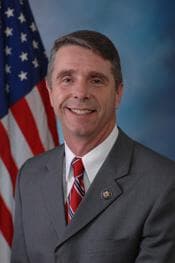
- Robert Wittman
- Cosponsors
- - 6 - 8
- Introduced
- In Committee
What this bill would do
This bill, known as the "Organ Donation Referral Improvement Act," directs the Secretary of Health and Human Services to perform a specific study. The study focuses on how hospitals use electronic automated referrals to identify potential organ donors. Through the Assistant Secretary for Planning and Evaluation, the Secretary will examine the efficiency and impact of these electronic systems. The goal is to look at things like staff time savings, timeliness, and the use of electronic medical records. Finally, the Secretary must submit a report on these findings to specific committees in both the House and the Senate.
Yes
Does this make health care easier to get in general?+3
The study seeks to increase organ donation volumes through more efficient electronic referral systems.
Does this give people more control over their personal data?+3
The study includes a review of information technology practices to ensure the secure transmission of referral information.
Does this put more money into medical research?+2
The bill directs the Secretary of Health and Human Services to conduct a formal study on organ donation referral efficiencies.
The opposite
No question was scored the opposite.
Who it would affect, and how
Potential Positive Impacts for People
-
Efficiency and Timeliness: The study aims to identify savings in staff time and variations in how quickly eligibility for organ donation is determined (Section 2(b)(1)).
-
Improved Identification: The bill directs a look at potential improvements over human interaction for identifying potential organ donors through electronic systems (Section 2(b)(1)).
-
Data-Driven Benefits: The study will identify benefits of using electronic medical records and standardized clinical criteria to find potential donors (Section 2(b)(2)).
-
Increased Donation Volumes: The study will review how these automated referrals might impact the volume of donations without needing manual reporting (Section 2(b)(3)).
-
Security and Best Practices: The study includes reviewing information technology practices to ensure that the transmission of information for referrals is secure (Section 2(b)(6)).
Potential Negative Impacts for People
- No specific negative impacts are mentioned in the provided text.
Groups and Interests Ranking
Every group the model scored this bill for, from -10 to +10. Hover a score for the reason it gave.
- Healthcare
- Improves Healthcare Access+3Increases Research Funding+2
- Education And Technology
- Improves Data Privacy+3
- 10/3/2025
- 1 Cosponsor added.
- 6/2/2025
- 1 Cosponsor added.
- 5/15/2025
- 1 Cosponsor added.
- 4/28/2025
- 1 Cosponsor added.
- 4/17/2025
- 1 Cosponsor added.
- 2/25/2025
- 1 Cosponsor added.
- 2/13/2025
- 2 Cosponsors added.
- 2/10/2025
- 1 Cosponsor added.
- 2/4/2025
- 1 Cosponsor added.
- 1/14/2025
- 1 Cosponsor added.
- 1/9/2025
- Referred to the House Committee on Energy and Commerce.
- 3 Cosponsors added.
- Introduced in House
 Troy Balderson
Republican · Ohio
 Jim Costa
Democrat · California
 Dan Crenshaw
Republican · Texas
 H. Griffith
Republican · Virginia
 Robert Latta
Republican · Ohio
 Mariannette Miller-Meeks
Republican · Iowa
 Kevin Mullin
Democrat · California
 Jennifer McClellan
Democrat · Virginia
 Jerrold Nadler
Democrat · New York
 Eleanor Norton
Democrat · District of Columbia
 August Pfluger
Republican · Texas
 Jill Tokuda
Democrat · Hawaii
 Marc Veasey
Democrat · Texas
 Eugene Vindman
Democrat · Virginia