Bill · H.R. 329· House(119-HR-329)
Expanding Penalty Free Withdrawal Act
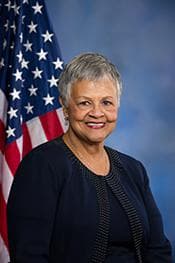
- Introduced
- 1/9/2025
- Last activity
- 1/9/2025 — Referred to the House Committee on Ways and Means.
- Sponsored by
- Bonnie Watson Coleman
- Cosponsors
- - 3 - 0
- Introduced
- In Committee
What this bill would do
This bill, titled the "Expanding Penalty Free Withdrawal Act," aims to amend the Internal Revenue Code of 1986. It seeks to expand the availability of penalty-free distributions from retirement plans for unemployed individuals. The proposal targets those who have received unemployment compensation for a specific duration due to job separation. These distributions can be made during the year compensation is received or the following taxable year. The act also includes specific financial limitations on these distributions.
Yes· 3 of 6
Would households on low incomes be better off under this?+5
The provision offers a financial safety net for those facing long-term job separation.
Does this increase support for people who lose their jobs?+5
The bill provides an additional way for unemployed individuals to access their own retirement funds without penalty during job loss.
Would people in their twenties and thirties be better off under this?+4
Younger workers who may have accumulated retirement funds can access them during extended unemployment periods.
The opposite
No question was scored the opposite.
Who it would affect, and how
Potential Positive Impacts for People
-
Access to Funds During Unemployment: Under Section 2(a)(i)(I), individuals who have received unemployment compensation for 26 consecutive weeks (or the maximum period available under State law) can access retirement funds without penalties. This provides a financial cushion for those facing long-term job loss.
-
Flexibility in Timing: Section 2(a)(i)(II) allows these distributions to be made during the same taxable year the compensation is paid or during the succeeding taxable year, allowing people to manage their finances as their situation changes.
-
Support for Reemployed or Self-Employed Individuals: Section 2(a)(ii) indicates that rules similar to existing exceptions will apply for distributions made after reemployment or for self-employed individuals.
Potential Negative Impacts for People
-
Strict Distribution Caps: Section 2(a)(iii)(I) limits the distribution amount to the lesser of $50,000 (adjusted for previous distributions in the year) or a calculation based on a specific percentage of the individual's retirement plan value. This means people in significant financial distress may not be able to access all the funds they need.
-
Dependency on Unemployment Status: Section 2(a)(i)(I) requires an individual to have received unemployment compensation for 26 consecutive weeks or the maximum period allowed by their State. Individuals who are unemployed but do not qualify for or receive such compensation would not benefit from this provision.
Groups and Interests Ranking
Every group the model scored this bill for, from -10 to +10. Hover a score for the reason it gave.
- Demographic And Interest Groups
- Good For Low Income Households+5Good For Middle Class Households+4Good For Young Adults+4Good For Union Workers+3
- Economy And Finance
- Increases Unemployment Benefits+5
- Social Issues And Justice
- Improves Poverty Reduction+3
- 2/5/2025
- 1 Cosponsor added.
- 1/9/2025
- Referred to the House Committee on Ways and Means.
- 2 Cosponsors added.
- Introduced in House
 Sheila Cherfilus-McCormick
Democrat · Florida
 Eleanor Norton
Democrat · District of Columbia
 Johnny Olszewski
Democrat · Maryland