
A Democratic bill with 1 Democratic cosponsor · See the cosponsor
Last activity — Referred to the Committee on Energy and Commerce, and in addition to the Committee on Ways and Means, for a period to be subsequently determined by the Speaker, in each case for consideration of such provisions as fall within the jurisdiction of the committee concerned.
In committee
Introduced and handed to a committee in the chamber it started in.
The committee holds it, and most bills are never heard from again. A hearing or a committee vote would be news; silence is the usual outcome, and it kills the bill without anyone voting against it.
Its path through Congress
- Introduced
- In Committee
What this bill would do
This bill is called the "Protecting Access To Care in Hawaii Act" or the "PATCH Act." It aims to change the Social Security Act to set a minimum value for the work geographic index for physician services in Hawaii. Starting January 1, 2026, the Secretary must increase this index to 1.5 if the calculated value is lower. This change will not be applied in a budget neutral manner.
Yes· 3 of 31
- Scored +8
Would people over 65 be better off under this?
Seniors rely heavily on Medicare and will benefit from improved physician availability in Hawaii.
- Scored +8
Would retired people be better off under this?
Retirees, predominantly using Medicare, will benefit from better physician access in Hawaii.
- Scored +7
Does this make health care easier to get in general?
Establishing a payment floor incentivizes physicians to provide services in Hawaii, improving patient access.
The opposite
- Scored -2
Does this reduce what the federal government owes?
The bill explicitly states the increase will not be budget neutral, potentially increasing government spending.
- Scored -2
Does this reduce what the federal government spends?
Increasing the payment floor for physicians will likely increase Medicare expenditures.
- Scored -2
Does this make the government pay for what it commits to?
The lack of a budget-neutral requirement indicates an increase in deficit spending.
Who it would affect, and how
Potential Positive Impacts for People
- Increased Index Floor: Section 2 establishes a floor of 1.5 for the work geographic index for services in Hawaii. This ensures the index does not fall below that specific number for payments.
Potential Negative Impacts for People
- Budget Impact: Section 2 states that the increase to the work geographic index "shall not be applied in a budget neutral manner," which means it may affect government spending.
Groups and Interests Ranking
Every group the model scored this bill for, from -10 to +10. Tap or hover a score for the reason it gave.
- Demographic And Interest Groups
- Would retired people be better off under this? — Retirees, predominantly using Medicare, will benefit from better physician access in Hawaii. Would people over 65 be better off under this? — Seniors rely heavily on Medicare and will benefit from improved physician availability in Hawaii. Would business owners be better off under this? — Medical practice owners in Hawaii will see increased reimbursement rates. Would people in rural areas be better off under this? — Increases the incentive for physicians to operate in underserved rural areas of Hawaii. Would households on low incomes be better off under this? — Improved healthcare access is particularly critical for low-income residents who rely on public systems. Would people with disabilities be better off under this? — People with disabilities often require more frequent physician visits, making increased access highly beneficial. Would Asian Americans be better off under this? — Given the demographics of Hawaii, this will significantly benefit the large Asian American population. Would middle-income households be better off under this? — General improvement in healthcare access in the region benefits middle-class residents. Would Native Americans be better off under this? — Native Hawaiians will benefit from increased physician availability in their home state. Would people in cities be better off under this? — Increases healthcare provider capacity in Hawaii's urban centers. Would children be better off under this? — Improved access to physicians in Hawaii benefits children's health services. Would farmers be better off under this? — Rural healthcare improvement benefits those in agricultural sectors. Would high-income households be better off under this? — General improvement in healthcare availability benefits all residents. Would men be better off under this? — Improved access to physicians benefits men's healthcare needs. Would people in middle age be better off under this? — Improved access to physicians in Hawaii benefits middle-aged adults. Would veterans be better off under this, taking everything together? — Improved physician availability in Hawaii benefits veterans residing there. Would women be better off under this? — Improved access to physicians benefits women's healthcare needs. Would people in their twenties and thirties be better off under this? — Increased healthcare access in Hawaii benefits young adults. Would Black Americans be better off under this? — Improved healthcare access generally benefits all racial groups in the region. Would Hispanic Americans be better off under this? — Improved healthcare access generally benefits all racial groups in the region. Would immigrants be better off under this? — General improvement in healthcare access benefits immigrant populations. Would LGBTQ people be better off under this? — General improvement in healthcare access benefits the LGBTQ community. Would students be better off under this? — General improvement in regional healthcare benefits students. Would white Americans be better off under this? — Improved healthcare access generally benefits all racial groups in the region.
- Healthcare
- Does this make health care easier to get in general? — Establishing a payment floor incentivizes physicians to provide services in Hawaii, improving patient access. Does this put more money into Medicare, the health coverage for people over 65? — The bill increases the reimbursement floor for Medicare physician services in Hawaii. Does this make mental health care easier to get? — Increased reimbursement may encourage more specialists, including psychiatrists, to practice in Hawaii.
- Environment Energy And Infrastructure
- Does this invest in rural communities? — Improving physician reimbursement helps maintain healthcare infrastructure in rural Hawaii.
- Economy And Finance
- Does this make it easier to run a small business? — Many physician practices are small businesses that will benefit from higher reimbursement rates. Is this likely to create jobs? — Higher physician reimbursement rates may attract more healthcare providers to practice in Hawaii. Is this likely to grow the economy? — Increased federal spending on healthcare services in Hawaii provides a localized economic boost. Does this make the government pay for what it commits to? — The lack of a budget-neutral requirement indicates an increase in deficit spending. Does this reduce what the federal government spends? — Increasing the payment floor for physicians will likely increase Medicare expenditures. Does this reduce what the federal government owes? — The bill explicitly states the increase will not be budget neutral, potentially increasing government spending.
- 5/7/2025
- Referred to the Committee on Energy and Commerce, and in addition to the Committee on Ways and Means, for a period to be subsequently determined by the Speaker, in each case for consideration of such provisions as fall within the jurisdiction of the committee concerned.
- 1 Cosponsor added.
- Introduced in House
One bill Congress.gov lists as related to this one — companions in the other chamber, earlier versions, and bills this one absorbed or was folded into.
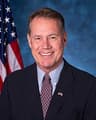 Ed Case
Democrat · Hawaii