Bill · H.R. 3128· House(119-HR-3128)
Improving Diaper Affordability Act of 2025
- Introduced
- 4/30/2025
- Last activity
- 4/30/2025 — Referred to the Committee on Ways and Means, and in addition to the Committee on the Judiciary, for a period to be subsequently determined by the Speaker, in each case for consideration of such provisions as fall within the jurisdiction of the committee concerned.
- Sponsored by
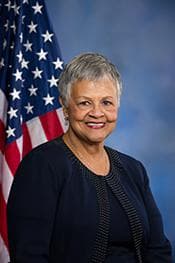
- Bonnie Watson Coleman
- Cosponsors
- - 27 - 1
- Introduced
- In Committee
What this bill would do
The Improving Diaper Affordability Act of 2025 aims to amend the Internal Revenue Code of 1986 regarding diaper expenses. This bill would change the tax code so that diapers are treated as qualified medical expenses. It specifically modifies rules for Health Savings Accounts, Archer MSAs, and various Flexible Spending Arrangements. Additionally, the bill seeks to include diaper expenses under Dependent Care Assistance. Finally, it prohibits States and local governments from imposing a sales or use tax on the retail purchase of diapers.
Yes· 3 of 9
Would children be better off under this?+7
The bill improves access to essential hygiene products like diapers for babies and toddlers.
Would households on low incomes be better off under this?+7
The bill reduces the financial burden of diapers by prohibiting state sales taxes and allowing tax-advantaged spending.
Does this make child care cost less?+6
The bill expands dependent care assistance to include diaper expenses, reducing costs for caregivers.
The opposite
No question was scored the opposite.
Who it would affect, and how
Potential Positive Impacts for People
-
Tax Treatment of Diapers as Medical Care: By amending the Internal Revenue Code, the bill allows amounts paid for diapers to be treated as medical care for Health Savings Accounts, Archer MSAs, and Health Flexible/Reimbursement Arrangements (Section 3, subsections a, b, c, and e). This could help families use these specific financial tools for diaper costs.
-
Expansion of Dependent Care Benefits: The bill amends the code so that the term "dependent care assistance" includes expenses incurred for diapers (Section 3, subsection d). This provides an additional way for families to utilize flexible spending arrangements for these essential needs.
-
Reduction of Retail Tax Burdens: The bill prohibits States and local governments from imposing a sales and use tax on the retail purchase of diapers (Section 4). This would prevent the addition of sales taxes on these essential items at the time of purchase.
Potential Negative Impacts for People
- No specific negative impacts or burdens are explicitly listed in the provided text.
Groups and Interests Ranking
Every group the model scored this bill for, from -10 to +10. Hover a score for the reason it gave.
- Demographic And Interest Groups
- Good For Children+7Good For Low Income Households+7Good For African Americans+5Good For Hispanic Americans+5Good For Middle Class Households+4
- Social Issues And Justice
- Improves Childcare Affordability+6Improves Poverty Reduction+5Improves Racial Equity+5
- Economy And Finance
- Reduces Middle Class Taxes+5
- 5/19/2026
- 1 Cosponsor added.
- 4/23/2026
- 1 Cosponsor added.
- 10/14/2025
- 1 Cosponsor added.
- 9/30/2025
- 1 Cosponsor added.
- 9/19/2025
- 1 Cosponsor added.
- 9/16/2025
- 3 Cosponsors added.
- 8/26/2025
- 1 Cosponsor added.
- 5/29/2025
- 1 Cosponsor added.
- 5/15/2025
- 1 Cosponsor added.
- 5/8/2025
- 1 Cosponsor added.
- 5/6/2025
- 1 Cosponsor added.
- 4/30/2025
- Referred to the Committee on Ways and Means, and in addition to the Committee on the Judiciary, for a period to be subsequently determined by the Speaker, in each case for consideration of such provisions as fall within the jurisdiction of the committee concerned.
- 15 Cosponsors added.
- Introduced in House
 André Carson
Democrat · Indiana
 Sean Casten
Democrat · Illinois
 Sheila Cherfilus-McCormick
Democrat · Florida
 Danny Davis
Democrat · Illinois
 Rosa DeLauro
Democrat · Connecticut
 Lloyd Doggett
Democrat · Texas
 Debbie Dingell
Democrat · Michigan
 Sarah Elfreth
Democrat · Maryland
 Valerie Foushee
Democrat · North Carolina
 Daniel Goldman
Democrat · New York
 Adelita Grijalva
Democrat · Arizona
 Henry Johnson
Democrat · Georgia
 Jonathan Jackson
Democrat · Illinois
 Raja Krishnamoorthi
Democrat · Illinois
 Grace Meng
Democrat · New York
 Morgan McGarvey
Democrat · Kentucky
 Kevin Mullin
Democrat · California
 Robert Menendez
Democrat · New Jersey
 Ryan Mackenzie
Republican · Pennsylvania
 April McClain Delaney
Democrat · Maryland
 Jerrold Nadler
Democrat · New York
 Eleanor Norton
Democrat · District of Columbia
 Terri Sewell
Democrat · Alabama
 Mary Gay Scanlon
Democrat · Pennsylvania
 Rashida Tlaib
Democrat · Michigan
 Shri Thanedar
Democrat · Michigan
 Nydia Velázquez
Democrat · New York
 Nikema Williams
Democrat · Georgia