Bill · H.R. 2934· House(119-HR-2934)
STATES 2.0 Act
- Introduced
- 4/17/2025
- Last activity
- 4/17/2025 — Referred to the Committee on Energy and Commerce, and in addition to the Committees on the Judiciary, and Transportation and Infrastructure, for a period to be subsequently determined by the Speaker, in each case for consideration of such provisions as fall within the jurisdiction of the committee concerned.
- Sponsored by
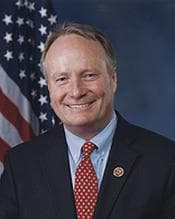
- David Joyce
- Cosponsors
- - 5 - 3
- Introduced
- In Committee
What this bill would do
The STATES 2.0 Act amends the Controlled Substances Act to stop federal law from applying to marijuana that is handled in compliance with State or recognized Indian Tribe laws. It allows for the legal transportation of marijuana between states that permit it. The bill also gives the FDA authority to regulate marijuana products as drugs, cosmetics, or food. Additionally, it requires a study on how marijuana legalization affects traffic safety.
Yes· 3 of 34
Would business owners be better off under this?+9
Removes the 280E tax penalty and provides a legal pathway for interstate commerce.
Does this leave more decisions to the states?+9
Strongly empowers states and tribes to determine their own cannabis laws without federal interference.
Would Native Americans be better off under this?+8
Specifically protects tribal self-determination and self-government regarding marijuana regulation.
The opposite
No question was scored the opposite.
Who it would affect, and how
Potential Positive Impacts for People
-
State and Tribal Autonomy: States and federally recognized Indian Tribes are empowered to determine their own rules for cannabis markets, including health, safety, and community-based restrictions (Section 2, Section 4(a), Section 4(b)).
-
Legal Interstate Commerce: People can legally transport or ship marijuana between states or territories that permit it, provided they follow the laws of the originating and destination locations (Section 4(c)).
-
Consumer Safety: The FDA will implement regulations for certain marijuana products that require contaminant testing and specific manufacturing and marketing practices to protect users and prevent youth consumption (Section 7(e)).
-
Reduced Legal Penalties: Conduct that complies with this Act will not be considered unlawful, will not be treated as drug trafficking, and will not lead to the forfeiture of property (Section 9(a)).
-
Business Relief: Compliant activities will no longer be subject to section 280E of the Internal Revenue Code, which relates to expenditures for the illegal sale of drugs (Section 9(a)).
Potential Negative Impacts for People
-
Federal Taxation: The bill suggests the establishment of a Federal excise tax on marijuana to pay for the administrative costs of the regulatory framework (Section 2(7)).
-
Strict Product Limitations: Any marijuana product marketed in combination with alcohol, tobacco, a device, a biological product, or a drug is considered adulterated under the Federal Food, Drug, and Cosmetic Act (Section 7(f)).
Groups and Interests Ranking
Every group the model scored this bill for, from -10 to +10. Hover a score for the reason it gave.
- Demographic And Interest Groups
- Good For Business Owners+9Good For Native Americans+8Good For African Americans+6Good For Farmers+6Good For Hispanic Americans+6Good For People With Disabilities+6Good For Asian Americans+5Good For Billionaires+5Good For High Net Worth Individuals+5Good For Middle Aged+5Good For Retirees+5Good For Rural Residents+5Good For Seniors+5Good For Ultra High Net Worth Individuals+5Good For Urban Residents+5Good For Veterans+5Good For White Americans+5Good For Young Adults+5Good For Children+4Good For High Income Households+4Good For Low Income Households+4Good For Middle Class Households+4
- Economy And Finance
- Reduces Small Business Taxes+8Improves Small Business Support+7Improves Consumer Protection+6Increases Job Creation+6Improves Economic Growth+5
- Governance And Ideology
- Increase States Rights+9Improves Interstate Commerce+7Increases Federal Power+3
- Social Issues And Justice
- Improves Criminal Sentencing Reform+7Improves Racial Equity+5Improves Policing Reform+4
- Healthcare
- Improves Healthcare Access+3
- 8/6/2026
- 1 Cosponsor added.
- 9/19/2025
- 1 Cosponsor added.
- 9/18/2025
- 1 Cosponsor added.
- 8/8/2025
- 1 Cosponsor added.
- 7/22/2025
- 1 Cosponsor added.
- 5/29/2025
- 1 Cosponsor added.
- 4/17/2025
- Referred to the Committee on Energy and Commerce, and in addition to the Committees on the Judiciary, and Transportation and Infrastructure, for a period to be subsequently determined by the Speaker, in each case for consideration of such provisions as fall within the jurisdiction of the committee concerned.
- 2 Cosponsors added.
- Introduced in House
 Troy Carter
Democrat · Louisiana
 Val Hoyle
Democrat · Oregon
 Brian Mast
Republican · Florida
 Max Miller
Republican · Ohio
 Dan Newhouse
Republican · Washington
 Jay Obernolte
Republican · California
 W. Steube
Republican · Florida
 Dina Titus
Democrat · Nevada