Bill · H.R. 2669· House(119-HR-2669)
Community First Act
- Introduced
- 4/7/2025
- Last activity
- 4/10/2025 — Sponsor introductory remarks on measure. (CR H1568)
- Sponsored by
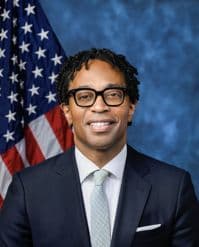
- Wesley Bell
- Cosponsors
- - 14 - 0
- Introduced
What this bill would do
The bill establishes a new Justice Department grant program aimed at lowering the number of people held in local jails and the length of time they spend there. It provides funding for analysis, planning, and implementing strategies such as reducing the use of cash bail and expanding diversion programs. Grantees must meet specific targets for lowering incarceration rates and addressing equity disparities over the course of the grant. The legislation also prioritizes jurisdictions with the highest incarceration rates and those seeking to prevent the expansion of jail bed capacity. Finally, the bill authorizes specific funding amounts for these planning and implementation grants through fiscal year 2030.
Yes· 3 of 12
Does this narrow racial gaps in how people are treated?+8
The bill mandates that grantees implement methodologies to reduce equity disparities in jail incarceration across all races and ethnicities.
Does this shorten or soften prison sentences?+7
The act aims to reduce jail populations through diversion programs and changes to pretrial conditions.
Would Black Americans be better off under this?+6
The bill specifically targets the reduction of racial and ethnic equity disparities in the jail system.
The opposite
No question was scored the opposite.
Who it would affect, and how
Potential Positive Impacts for People
-
Section 2(a)(2)(A) provides funding for reducing the use of cash bail, which could directly benefit individuals who cannot afford bail by helping them avoid unnecessary pre-trial incarceration.
-
Section 2(a)(2)(E) ensures the early assignment of counsel and the presence of counsel at an individual's first court appearance or bail hearing, which provides better legal protection and advocacy for people interacting with the justice system.
-
Section 2(a)(2)(G) creates or expands diversion programs that do not require a guilty plea and do not use jail as a sanction for noncompliance, offering individuals alternative paths instead of traditional incarceration.
-
Section 3(a)(6) requires grantees to use financial savings created through decreased incarceration to sustain programmatic and community-based efforts, putting resources back into local communities to support individuals.
Potential Negative Impacts for People
- Section 3(b)(1) mandates that if a grantee fails to meet the required incarceration rate and equity disparities reduction goals in two consecutive years, the Attorney General must terminate the award, which could abruptly strip funding from local programs meant to help people.
Groups and Interests Ranking
Every group the model scored this bill for, from -10 to +10. Hover a score for the reason it gave.
- Demographic And Interest Groups
- Good For African Americans+6Good For Asian Americans+6Good For Hispanic Americans+6Good For Native Americans+6Good For White Americans+6Good For Low Income Households+5
- Social Issues And Justice
- Improves Racial Equity+8Improves Criminal Sentencing Reform+7Improves Policing Reform+4
- Governance And Ideology
- Improves Due Process+6Improves Government Transparency+5Increases Federal Power+3
- 4/10/2025
- Sponsor introductory remarks on measure. (CR H1568)
- 4/7/2025
- Referred to the House Committee on the Judiciary.
- 14 Cosponsors added.
- Introduced in House
 Yassamin Ansari
Democrat · Arizona
 Sanford Bishop
Democrat · Georgia
 Emanuel Cleaver
Democrat · Missouri
 Yvette Clarke
Democrat · New York
 Jasmine Crockett
Democrat · Texas
 Shomari Figures
Democrat · Alabama
 Glenn Ivey
Democrat · Maryland
 Henry Johnson
Democrat · Georgia
 Jonathan Jackson
Democrat · Illinois
 LaMonica McIver
Democrat · New Jersey
 Eleanor Norton
Democrat · District of Columbia
 Bennie Thompson
Democrat · Mississippi
 Shri Thanedar
Democrat · Michigan
 Frederica Wilson
Democrat · Florida