Bill · H.R. 2321· House(119-HR-2321)
United States Leadership in Immersive Technology Act of 2025
- Introduced
- 3/25/2025
- Last activity
- 3/25/2025 — Referred to the House Committee on Energy and Commerce.
- Sponsored by
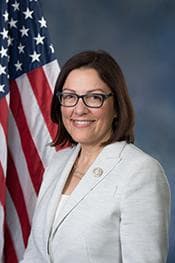
- Suzan DelBene
- Cosponsors
- - 0 - 1
- Introduced
- In Committee
What this bill would do
The United States Leadership in Immersive Technology Act of 2025 aims to establish an Immersive Technology Advisory Panel to promote the use of technologies like augmented, virtual, and mixed reality. The Secretary of Commerce will designate a principal advisor to support the improvement and security of these technologies. An Advisory Panel, composed of various government officials and experts, will be created to make recommendations regarding economic competitiveness and collaboration. This panel is tasked with assessing the economic impact and creating safeguards for data and privacy. Additionally, the panel must complete a comprehensive study on the industry's state and its effects on national security. Finally, a report containing the study's findings and recommendations must be submitted to Congress and published on a White House website.
Yes· 3 of 13
Is this likely to grow the economy?+6
The bill seeks to promote economic competitiveness through the adoption of immersive technologies.
Is this likely to create jobs?+5
The bill identifies that immersive technology is expected to create new employment opportunities.
Does this protect people from being watched or searched?+5
The bill specifically tasks the panel with identifying safeguards for individual privacy.
The opposite
No question was scored the opposite.
Who it would affect, and how
Potential Positive Impacts for People
-
Economic Growth and Opportunity: The bill notes that immersive technology is expected to create new employment opportunities and new economic incentives (Section 2, Finding 4).
-
Improved Learning and Communication: The technology is expected to create new ways of communicating, learning, and engaging with the world (Section 2, Finding 4).
-
Enhanced Essential Services: The study required by the bill will assess how immersive technology can benefit businesses by facilitating the delivery of essential human services (Section 6, subsection a, paragraph 2, subparagraph C, clause i).
-
Workforce Development: The bill identifies that the technology can support workforce development in critical sectors (Section 6, subsection a, paragraph 2, subparagraph C, clause ii).
-
Protection of Individual Rights: The Advisory Panel is tasked with identifying ways to ensure technology is deployed to protect individual rights, including privacy, accessibility, digital identity, and intellectual property (Section 6, subsection a, paragraph 2, subparagraph E).
Potential Negative Impacts for People
-
Data and Privacy Risks: The bill acknowledges the need for safeguards to ensure the technology is used ethically to protect individual data and privacy (Section 5, subsection d, subparagraph C), suggesting that risks to privacy exist (Section 6, subsection a, paragraph 2, subparagraph F).
-
National and Economic Security Risks: The bill recognizes that there are risks associated with immersive technology that must be mitigated (Section 6, subsection a, paragraph 2, subparagraph F).
Groups and Interests Ranking
Every group the model scored this bill for, from -10 to +10. Hover a score for the reason it gave.
- Economy And Finance
- Improves Economic Growth+6Increases Job Creation+5Improves Consumer Protection+4Improves Small Business Support+3
- Governance And Ideology
- Improves Privacy Rights+5Improves Government Transparency+4
- Education And Technology
- Improves Data Privacy+5Improves Intellectual Property Fairness+3
- National Security And Foreign Policy
- Improves Cybersecurity Defense+5Improves International Alliances+3
- Demographic And Interest Groups
- Good For Business Owners+4Good For People With Disabilities+3
- Social Issues And Justice
- Improves Disability Rights+3
- 3/25/2025
- Referred to the House Committee on Energy and Commerce.
- 1 Cosponsor added.
- Introduced in House
One bill Congress.gov lists as related to this one — companions in the other chamber, earlier versions, and bills this one absorbed or was folded into.
 August Pfluger
Republican · Texas