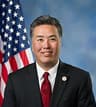
Mark Takano (D-CA)
Survivor Benefits Delivery Improvement Act of 2025
A Democratic bill with no cosponsors
Last activity — Referred to the Subcommittee on Disability Assistance and Memorial Affairs.
In committee
Introduced and handed to a committee in the chamber it started in.
The committee holds it, and most bills are never heard from again. A hearing or a committee vote would be news; silence is the usual outcome, and it kills the bill without anyone voting against it.
Its path through Congress
- Introduced
- In Committee
What this bill would do
The Survivor Benefits Delivery Improvement Act of 2025 directs the Secretary of Veterans Affairs to improve access to benefits and outreach for service members and their dependents. The bill requires the collection of demographic data to identify underserved populations receiving various benefits. The Secretary must also create outreach and education strategies for these underserved groups. Additionally, the bill expands outreach services to include "covered individuals" who served in the uniformed services. It mandates quarterly outreach to eligible dependents following the death of a covered individual. Finally, the act requires an assessment of the Office of Survivors Assistance and the creation of specific call center positions.
Yes· 3 of 14
- Scored +7
Would veterans be better off under this, taking everything together?
The bill improves benefit accessibility and outreach for those who served.
- Scored +7
Does this help veterans get medical care?
The bill improves access to benefits and outreach for veterans and their survivors through improved data collection and proactive assistance.
- Scored +7
Does this increase the pay, pensions or support veterans receive?
The bill enhances the delivery and outreach of veteran benefits to survivors and underserved demographics.
The opposite
No question was scored the opposite.
Who it would affect, and how
Potential Positive Impacts for People
-
Improved access through data identification: The Secretary is required to collect demographic data—including race, ethnicity, tribal affiliation, LGBTQIA+ status, and geographic location—to designate "undersered demographics" for certain benefits (Section 2(b)). This allows the Department to identify which groups may be missing out on benefits like disability compensation, pensions, or burial benefits.
-
Targeted outreach and awareness: The bill mandates the development of an outreach and education strategy for underserved demographics (Section 2(c)(1)). It also requires a specific strategy to raise awareness about eligibility for burial in a national cemetery among veterans and beneficiaries (Section 2(c)(2)(A)).
-
Proactive support for dependents: Upon notification of a death, the Secretary must provide outreach services via mail, email, and telephone to eligible dependents at least once per quarter until a claim is filed (Section 3(b)(1)(A)). This includes providing contact information for the Office of Survivors Assistance and help finding assistance through service organizations or legal entities (Section 3(b)(1)(2)).
-
Resource assessment for assistance: The Secretary must conduct an assessment of the Office of Survivors Assistance and develop a strategy to ensure it has the necessary resources to function (Section 2(d)).
Potential Negative Impacts for People
- Potential for unwanted communication: Under the new outreach mandates, eligible dependents or legal guardians may receive frequent contact. However, the bill provides an option for these individuals to elect to receive no outreach or fewer outreach services, with the Secretary required to notify them of this option at least once a year (Section 3(b)(1)(D)).
Groups and Interests Ranking
Every group the model scored this bill for, from -10 to +10. Tap or hover a score for the reason it gave.
- Demographic And Interest Groups
- Would veterans be better off under this, taking everything together? — The bill improves benefit accessibility and outreach for those who served. Would Black Americans be better off under this? — The bill's focus on demographic data helps identify and serve racialized underserved populations. Would Asian Americans be better off under this? — The bill's focus on demographic data helps identify and serve racialized underserved populations. Would Hispanic Americans be better off under this? — The bill's focus on demographic data helps identify and serve racialized underserved populations. Would LGBTQ people be better off under this? — The bill includes LGBTQIA+ status in demographic data collection to ensure equitable benefit access. Would Native Americans be better off under this? — The bill includes tribal affiliation in demographic collection to better support Native American veterans and survivors. Would women be better off under this? — The bill involves the Advisory Committee on Women Veterans to improve outreach. Would children be better off under this? — The bill provides for outreach to legal guardians of minor children of covered individuals.
- Social Issues And Justice
- Does this narrow the gap between how men and women are treated? — The bill involves consultation with the Advisory Committee on Women Veterans to improve outreach. Does this expand the rights of LGBTQ people? — The bill explicitly includes LGBTQIA+ status in the demographic data collection to identify underserved populations. Does this narrow racial gaps in how people are treated? — The bill seeks to improve equitable access by collecting data on race and ethnicity to identify underserved demographics.
- Healthcare
- Does this help veterans get medical care? — The bill improves access to benefits and outreach for veterans and their survivors through improved data collection and proactive assistance.
- National Security And Foreign Policy
- Does this increase the pay, pensions or support veterans receive? — The bill enhances the delivery and outreach of veteran benefits to survivors and underserved demographics.
- Governance And Ideology
- Does this make what the government does easier for the public to see? — The bill enhances transparency by requiring annual reports on demographic data related to benefits.
- 4/4/2025
- Referred to the Subcommittee on Disability Assistance and Memorial Affairs.
- 3/21/2025
- Referred to the House Committee on Veterans' Affairs.
- Introduced in House