Bill · H.R. 2057· House(119-HR-2057)
Students Bill of Rights Act of 2025
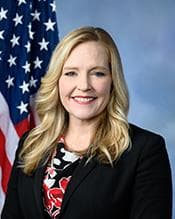
- Introduced
- 3/11/2025
- Last activity
- 3/11/2025 — Referred to the House Committee on Education and Workforce.
- Sponsored by
- Erin Houchin
- Cosponsors
- - 2 - 0
- Introduced
- In Committee
What this bill would do
The Students Bill of Rights Act of 2025 aims to protect the First Amendment rights of students and student organizations at public institutions of higher education. It mandates that covered public institutions comply with specific requirements regarding the recognition of student organizations and the distribution of funds. These requirements include rules for faculty advisors, organizational affiliations, and the establishment of appeals processes. Additionally, the bill dictates how security fees are assessed and how guest speakers are protected. The Act also establishes enforcement mechanisms, including civil actions and the potential revocation of federal funding eligibility.
Yes· 3 of 6
Does this protect the individual right to speak freely?+8
The bill establishes strong legal protections and civil causes of action to uphold student free speech rights on campus.
Does this protect what people are allowed to say in public life?+8
The bill mandates that public institutions protect First Amendment rights regarding student organization recognition, funding, and guest speakers.
Would students be better off under this?+7
Students gain clear legal recourse and protections for their rights to associate and speak freely on public campuses.
The opposite
No question was scored the opposite.
Who it would affect, and how
Potential Positive Impacts for People
-
Protection for Student Organizations lacking advisors: Institutions cannot deny recognition to a group just because they cannot find a faculty advisor, provided other requirements are met (Section 2(a)(1)(A)).
-
Protection against affiliation-based denial: Student organizations cannot be denied recognition solely because they are affiliated with or a chapter of a national organization (Section 2(a)(1)(B)).
-
Fairness in funding through appeals: Organizations denied funding can use an institutional appeals process to seek reconsideration (Section 2(a)(2)(D)).
-
Transparency in financial allocations: Institutions must use clear, objective, and content-neutral standards to determine how much money goes to various student organizations (Section 2(a)(2)(A)).
-
Protection against biased security fees: Security fees for events cannot be determined based on the viewpoint or content of the event or the invited guest (Section 2(a)(3)(B)).
-
Safety standards for guests: Institutions must create clear and objective standards regarding the safety and protection of invited speakers and guests (Section 2(a)(4)).
-
Legal recourse for harmed parties: Individuals or organizations harmed by a violation of these rules can bring civil actions in Federal court for relief, including compensatory damages and attorney fees (Section 2(b)(1)).
Potential Negative Impacts for People
- Risk to federal funding for institutions: Public institutions that fail to comply with a court judgment regarding these requirements may have their eligibility to receive funds under the Higher Education Act revoked (Section 2(b)(3)).
Groups and Interests Ranking
Every group the model scored this bill for, from -10 to +10. Hover a score for the reason it gave.
- Demographic And Interest Groups
- Good For Students+7Good For Young Adults+5Good For Low Income Households+2
- Governance And Ideology
- Improves Freedom Of Speech+8
- Social Issues And Justice
- Improves Freedom Of Speech+8
- Education And Technology
- Improves College Affordability+2
- 3/11/2025
- Referred to the House Committee on Education and Workforce.
- 2 Cosponsors added.
- Introduced in House
 Aaron Bean
Republican · Florida
 Burgess Owens
Republican · Utah