Bill · H.R. 1984· House(119-HR-1984)
BLOC Act
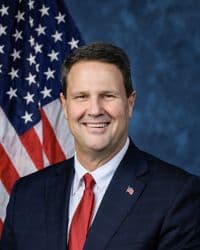
- Introduced
- 3/10/2025
- Last activity
- 3/10/2025 — Referred to the Subcommittee on Highways and Transit.
- Sponsored by
- Jeff Crank
- Cosponsors
- - 1 - 0
- Introduced
- In Committee
What this bill would do
This bill, known as the "Blocking Lawless Open Border Cities and States Act of 2025," seeks to amend title 23 of the United States Code. It proposes to limit federal funding for infrastructure projects to certain states and political subdivisions. To remain eligible for these funds, jurisdictions must implement a process to notify the Secretary of Homeland Security before releasing specific aliens from custody. This requirement applies if the Secretary has determined the individual is not lawfully present and has notified the local sheriff or detaining entity. The notification must occur no later than 48 hours before the release.
Yes
Does this give the federal government more power?+7
The bill significantly expands federal oversight by using the threat of withholding infrastructure funds to compel local compliance with federal immigration notification goals.
Does this tighten control of the border?+5
The bill enhances border security efforts by requiring local jurisdictions to assist federal authorities in tracking the release of certain aliens.
The opposite· 3 of 6
Does this leave more decisions to the states?-6
The bill reduces state sovereignty by pressuring local governments to adopt specific policies to avoid the loss of federal infrastructure funding.
Would immigrants be better off under this?-5
The bill increases federal tracking and notification of certain undocumented individuals upon their release from custody.
Does this repair or build roads and bridges?-5
The bill threatens to withhold federal funds from infrastructure projects in jurisdictions that do not comply with the new notification requirements.
Who it would affect, and how
Potential Positive Impacts for People
-
Increased Information Sharing: The bill requires a statute, ordinance, policy, or practice that mandates notification to the Secretary of Homeland Security (Sec. 2(a)). This could ensure that federal authorities are informed when certain individuals are released from custody.
-
Requirement for Notification Timing: By requiring notification not later than 48 hours before release, the bill establishes a specific timeline for communication between local entities and the Secretary of Homeland Security (Sec. 2(a)).
Potential Negative Impacts for People
-
Loss of Infrastructure Funding: The Secretary of Transportation would be prohibited from obligating or awarding funds for infrastructure projects, including highway construction, to political subdivisions that do not meet the new notification requirements (Sec. 2(a)).
-
Financial Burden on Non-Compliant Jurisdictions: States or political subdivisions that fail to implement the required notification process within one year of the Act's enactment would become ineligible for certain federal funds (Sec. 2(a)).
Groups and Interests Ranking
Every group the model scored this bill for, from -10 to +10. Hover a score for the reason it gave.
- Demographic And Interest Groups
- Good For Immigrants-5Good For Hispanic Americans-3Good For Urban Residents-3
- Environment Energy And Infrastructure
- Improves Roads And Bridges-5
- Social Issues And Justice
- Improves Border Security+5
- National Security And Foreign Policy
- Increases Domestic Surveillance-2
- Governance And Ideology
- Increases Federal Power+7Increase States Rights-6
- 3/10/2025
- Referred to the House Committee on Transportation and Infrastructure.
- Referred to the Subcommittee on Highways and Transit.
- 1 Cosponsor added.
- Introduced in House
One bill Congress.gov lists as related to this one — companions in the other chamber, earlier versions, and bills this one absorbed or was folded into.
 Lauren Boebert
Republican · Colorado