Bill · H.R. 1961· House(119-HR-1961)
CARE Act
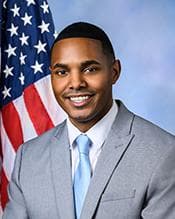
- Introduced
- 3/6/2025
- Last activity
- 3/6/2025 — Referred to the House Committee on Energy and Commerce.
- Sponsored by
- Ritchie Torres
- Cosponsors
- - 5 - 0
- Introduced
- In Committee
What this bill would do
The CARE Act directs the Secretary of Health and Human Services to create a department-wide after-action program and a risk communication strategy. The after-action program aims to identify solutions following public health emergencies and encourage cooperation between agencies. This program must include input from external stakeholders like other Federal agencies, State health departments, and nongovernmental partners. The Secretary must also implement a strategy to ensure public health communications are clear, accurate, and prioritize at-risk populations. This strategy must be implemented within one year of the bill's enactment.
Yes· 3 of 7
Does this make the country readier for the next outbreak?+6
The bill establishes a department-wide after-action program to identify and implement solutions following public health emergencies.
Does this make health care easier to get in general?+3
The bill improves healthcare access by creating a strategy to ensure clear and accessible communication during public health emergencies.
Does this make what the government does easier for the public to see?+3
The bill requires the Inspector General to evaluate the after-action program and submit a summary report to Congress.
The opposite
No question was scored the opposite.
Who it would affect, and how
Potential Positive Impacts for People
-
Improved Emergency Response: The after-action program seeks to identify and implement solutions for issues found after a public health emergency response, which could improve future responses (Section 2(a)(1)).
-
Better Agency Cooperation: The program encourages collaboration and integrates the after-action programs of different agencies within the Department of Health and Human Services (Section 2(a)(2)).
-
Stakeholder Involvement: The program includes input from external stakeholders, including other Federal agencies, State and local health departments, Indian Tribes, and nongovernmental partners (Section 2(c)).
-
Enhanced Communication: The risk communication strategy is designed to ensure that information regarding infectious diseases and public health risks is clear, accurate, and understandable (Section 3(a)).
-
Protection of Vulnerable Groups: The communication strategy specifically aims to identify at-risk populations and ensure that communications are targeted and accessible to them (Section s(b)(1)-(2)).
-
Improved Medical Supplies and Care: The program includes guidelines for reviewing strategies related to logistics, supply chain management for medical equipment and pharmaceuticals, and the implementation of crisis standards of care (Section 2(e)(2)(G)-(H)).
Potential Negative Impacts for People
- No specific negative impacts are explicitly detailed in the provided text.
Groups and Interests Ranking
Every group the model scored this bill for, from -10 to +10. Hover a score for the reason it gave.
- Healthcare
- Improves Pandemic Preparedness+6Improves Healthcare Access+3
- Demographic And Interest Groups
- Good For Low Income Households+2Good For Native Americans+2Good For Urban Residents+1
- Governance And Ideology
- Improves Government Transparency+3
- Social Issues And Justice
- Improves Racial Equity+2
- 5/5/2025
- 1 Cosponsor added.
- 3/18/2025
- 1 Cosponsor added.
- 3/11/2025
- 1 Cosponsor added.
- 3/10/2025
- 2 Cosponsors added.
- 3/6/2025
- Referred to the House Committee on Energy and Commerce.
- Introduced in House
 Dwight Evans
Democrat · Pennsylvania
 Robert Garcia
Democrat · California
 Henry Johnson
Democrat · Georgia
 Eleanor Norton
Democrat · District of Columbia
 Mike Quigley
Democrat · Illinois