Bill · H.R. 1686· House(119-HR-1686)
No More D.C. Waste Act
- Introduced
- 2/27/2025
- Last activity
- 2/27/2025 — Referred to the House Committee on Oversight and Government Reform.
- Sponsored by
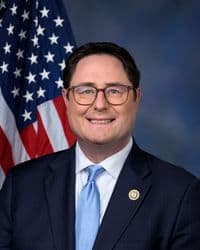
- Mike Flood
- Cosponsors
- - 2 - 0
- Introduced
- In Committee
What this bill would do
This bill, titled the "No More D.C. Waste Act," aims to change how certain federal funds are handled for the District of Columbia. It prohibits any federal money intended for D.C. resident tuition support from remaining available if it is not used by the end of the fiscal year. Under this act, any unobligated funds would lapse. The bill also makes changes to the District of Columbia College Access Act of 1999 regarding both public and private school programs. Finally, it requires the Chief Financial Officer of the District of Columbia to submit an annual report to Congress detailing the use of these payments.
Yes
Does this make what the government does easier for the public to see?+3
The bill mandates that the D.C. Chief Financial Officer submit an annual report to Congress regarding tuition support payments.
Does this make the government pay for what it commits to?+2
The bill requires an annual report to Congress detailing the use and remaining unobligated amounts of tuition support funds.
The opposite· 3 of 5
Would people in their twenties and thirties be better off under this?-3
The loss of multi-year fund availability could negatively impact students seeking tuition support.
Would students be better off under this?-3
The bill's requirement that unspent tuition funds lapse could reduce the total pool of available assistance for students.
Does this make college cost less?-3
The bill reduces the long-term availability of tuition support funds by requiring them to lapse at the end of the fiscal year.
Who it would affect, and how
Potential Positive Impacts for People
-
Increased Accountability: The bill requires the Chief Financial Officer of the District of Columbia to submit an annual report to Congress starting with fiscal year 2026 (Section 3). This report must include the number of student payments, the average amount of assistance provided, and any remaining unobligated funds.
-
Prevention of Long-term Fund Availability: The act changes the current rule where funds for public and private school programs remain available until expended (Section 2(b)). By requiring funds to lapse if not used by the end of the fiscal year, it ensures that the money is tied to a specific timeframe (Section 2(a)).
Potential Negative Impacts for People
- Loss of Available Tuition Support: Any portion of a federal payment for D.C. resident tuition support that is not obligated by the end of the fiscal year will lapse and no longer be available (Section 2(a)). This could impact the availability of funds for students if the money is not spent within the designated fiscal year.
Groups and Interests Ranking
Every group the model scored this bill for, from -10 to +10. Hover a score for the reason it gave.
- Demographic And Interest Groups
- Good For Students-3Good For Young Adults-3Good For Low Income Households-2
- Education And Technology
- Improves College Affordability-3
- Governance And Ideology
- Improves Government Transparency+3
- Economy And Finance
- Improves Fiscal Responsibility+2Reduces Government Spending-2
- 3/3/2025
- 1 Cosponsor added.
- 2/27/2025
- Referred to the House Committee on Oversight and Government Reform.
- 1 Cosponsor added.
- Introduced in House
 Andy Harris
Republican · Maryland
 William Timmons
Republican · South Carolina