Bill · H.R. 1653· House(119-HR-1653)
Civil Investigative Demand Reform Act of 2025
- Introduced
- 2/27/2025
- Last activity
- 9/16/2026 — Ordered to be Reported (Amended) by the Yeas and Nays: 29 - 20.
- Sponsored by
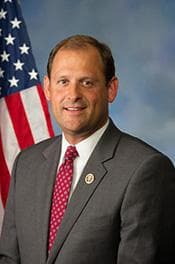
- Andy Barr
- Cosponsors
- - 4 - 2
- Introduced
What this bill would do
The Civil Investigative Demand Reform Act of 2025 aims to reform how the Bureau of Consumer Financial Protection issues civil investigative demands. It establishes a six-year limit for issuing a demand after the date of a violation. The bill requires demands to include specific references to particular facts regarding the conduct being investigated. It also allows attorneys advising individuals to submit questions to the Bureau regarding the scope of a demand. Furthermore, it provides new grounds for setting aside a demand, such as if it is unduly burdensome or duplicative. Finally, it subjects the Bureau's denial of a petition to modify or set aside a demand to judicial review.
Yes· 3 of 4
Does this protect the right to fair treatment by the courts?+5
The bill enhances due process by providing grounds to set aside burdensome demands and allowing judicial review.
Would business owners be better off under this?+5
The bill offers significant relief to business owners facing expansive or costly investigative demands.
Does this make what the government does easier for the public to see?+4
The bill increases transparency by allowing judicial review and requiring specific facts in demands.
The opposite
Does this give people more protection from unfair business practices?-3
By limiting the scope and timeframe of the Bureau's investigative powers, it may reduce the efficiency of consumer protection enforcement.
Does this give the federal government more power?-2
The bill limits the existing regulatory power of the federal Bureau of Consumer Financial Protection.
Would households on low incomes be better off under this?-2
Reductions in Bureau oversight may impact the protection of low-income consumers.
Who it would affect, and how
Potential Positive Impacts for People
-
Statute of Limitations for Demands: Under Section 2(a), a demand must be issued no later than 6 years after the date of a violation, which limits how long a violation can be investigated.
-
Increased Clarity in Demands: Section 2(b) requires that investigative demands include specific references to particular facts, which provides more clarity regarding the conduct being investigated.
-
Attorney Communication: Section 2(c) allows an attorney advising a person to submit questions to the Bureau regarding the scope or breadth of a demand, and requires the Bureau to respond within a specific timeframe.
-
Expanded Grounds to Challenge Demands: Section 2(e) allows individuals to seek to set aside a demand if it is unduly burdensome, disproportionately expensive, outside the scope of the inquiry, or can be obtained from a more convenient or less expensive source.
-
Right to Judicial Review: Section 2(f) provides that if the Bureau denies a petition to modify or set aside a demand, that denial is subject to judicial review.
Potential Negative Impacts for People
- Confidentiality of Petitions: Section 2(d) includes the contents of any petition submitted to the Bureau under the confidentiality treatment of demand material.
Groups and Interests Ranking
Every group the model scored this bill for, from -10 to +10. Hover a score for the reason it gave.
- Governance And Ideology
- Improves Due Process+5Improves Government Transparency+4Increases Federal Power-2
- Demographic And Interest Groups
- Good For Business Owners+5Good For Low Income Households-2
- Economy And Finance
- Improves Small Business Support+3Improves Consumer Protection-3
- 9/16/2026
- Committee Consideration and Mark-up Session Held
- Ordered to be Reported (Amended) by the Yeas and Nays: 29 - 20.
- 7/16/2025
- 1 Cosponsor added.
- 6/26/2025
- 2 Cosponsors added.
- 3/3/2025
- 1 Cosponsor added.
- 2/27/2025
- Referred to the House Committee on Financial Services.
- 2 Cosponsors added.
- Introduced in House
 Vicente Gonzalez
Democrat · Texas
 Daniel Meuser
Republican · Pennsylvania
 Jared Moskowitz
Democrat · Florida
 Tim Moore
Republican · North Carolina
 William Timmons
Republican · South Carolina
 Ann Wagner
Republican · Missouri