Bill · H.R. 1605· House(119-HR-1605)
Separation of Powers Restoration Act of 2025
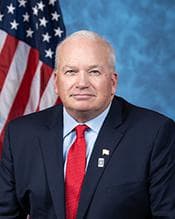
- Introduced
- 2/26/2025
- Last activity
- 5/21/2025 — Ordered to be Reported in the Nature of a Substitute by the Yeas and Nays: 15 - 12.
- Sponsored by
- Scott Fitzgerald
- Cosponsors
- - 3 - 0
- Introduced
What this bill would do
This bill, known as the Separation of Powers Restoration Act of 2025'' or the SOPRA,'' aims to amend title 5 of the United States Code. It specifically targets the nature of judicial review regarding how agencies interpret laws and regulations. The legislation seeks to change how courts review agency actions and their interpretations of constitutional and statutory provisions. By amending Section 706, the bill establishes a de novo standard for these reviews. It also includes provisions to ensure this standard applies to any action for judicial review of agency action authorized under any provision of law.
Yes
Does this protect the right to fair treatment by the courts?+4
The de novo standard ensures that courts independently evaluate the legality of agency actions rather than deferring to the agency.
Does this make what the government does easier for the public to see?+3
By requiring courts to perform de novo reviews of agency rules, the bill increases the level of judicial oversight regarding how agencies exercise their power.
The opposite
Does this give the federal government more power?-4
The bill may reduce the power of federal agencies to interpret and implement their own regulations by subjecting them to de novo judicial review.
Does this leave more decisions to the states?-2
While the bill shifts power to the judiciary, it does not explicitly empower state governments over the federal government.
Who it would affect, and how
Potential Positive Impacts for People
-
Increased Judicial Oversight: The bill requires courts to decide de novo all relevant questions of law, including the interpretation of constitutional and statutory provisions, and rules made by agencies (Section 2). This could be seen as positive because it ensures courts look at the law fresh rather than just deferring to an agency's interpretation.
-
Protection Against Exemptions: The bill states that no law may exempt a civil action from this section unless it specifically references this section (Section 2). This could provide a more consistent standard for challenging agency actions across different areas of law.
Potential Negative Impacts for People
- Changes to Judicial Review Standards: By striking the existing language and inserting requirements for de novo review of agency rules and interpretations (Section 2), the bill alters the current legal landscape of how agencies are held accountable in court.
Groups and Interests Ranking
Every group the model scored this bill for, from -10 to +10. Hover a score for the reason it gave.
- Governance And Ideology
- Improves Due Process+4Improves Government Transparency+3Increases Federal Power-4Increase States Rights-2
- 5/21/2025
- Committee Consideration and Mark-up Session Held
- Ordered to be Reported in the Nature of a Substitute by the Yeas and Nays: 15 - 12.
- 5/19/2025
- 1 Cosponsor added.
- 3/5/2025
- 2 Cosponsors added.
- 2/26/2025
- Referred to the House Committee on the Judiciary.
- Introduced in House
One bill Congress.gov lists as related to this one — companions in the other chamber, earlier versions, and bills this one absorbed or was folded into.
 Ben Cline
Republican · Virginia
 Robert Onder
Republican · Missouri
 Thomas Tiffany
Republican · Wisconsin