Bill · H.R. 1486· House(119-HR-1486)
Economic Espionage Prevention Act
- Introduced
- 2/21/2025
- Last activity
- 5/6/2025 — Received in the Senate and Read twice and referred to the Committee on Foreign Relations.
- Sponsored by
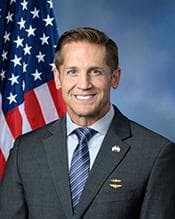
- Richard McCormick
- Cosponsors
- - 3 - 0
- Introduced
- Passed House
- In Senate committee
What this bill would do
The "Economic Espionage Prevention Act" aims to impose sanctions on foreign adversary entities engaged in economic or industrial espionage. The bill targets those who steal trade secrets or proprietary information from United States persons. It also targets entities providing material support to foreign adversaries' national security interests or violating U.S. export control laws. The President is authorized to block property and deny visas to these individuals and entities. Additionally, the Act requires a report from the Secretary of State regarding the supply of critical components to the Russian defense industrial base.
Yes· 3 of 7
Does this make patent and copyright rules fairer?+7
The bill provides strong protections against the theft of trade secrets and proprietary information.
Would business owners be better off under this?+6
Business owners gain better protection for their intellectual property and trade secrets.
Does this give people more protection from unfair business practices?+5
The bill protects trade secrets and proprietary information from industrial espionage.
The opposite
Would immigrants be better off under this?-5
The bill increases the risk of visa revocation and inadmissibility for certain foreign persons.
Who it would affect, and how
Potential Positive Impacts for People
-
Protection of Intellectual Property: The Act targets entities engaging in economic or industrial espionage regarding trade secrets or proprietary information owned by United States persons (Section 4(b)(1)). This could help protect the innovations and economic interests of American individuals and companies.
-
National Security Safeguards: By allowing for sanctions against those providing material support or services to a foreign adversary's military or intelligence entities, the bill seeks to address threats to national security (Section 4(b)(2)).
-
Enforcement of Export Controls: The bill provides tools to penalize those who violate United States export control laws (Section 4(b)(3)), which could help ensure that critical technology does not reach unauthorized hands.
Potential Negative Impacts for People
-
Restrictions on Movement and Entry: Under the bill, certain foreign persons may be deemed inadmissible to the United States, lose eligibility for visas or parole, and have current visas revoked (Section 4(c)(2)). This could impact individuals seeking to enter or remain in the country.
-
Financial Burdens via Asset Blocking: The President has the authority to block and prohibit all transactions involving the property and interests of certain foreign persons that are in the United States or controlled by a United States person (Section 4(c)(1)). This could result in significant financial loss for the targeted entities.
Groups and Interests Ranking
Every group the model scored this bill for, from -10 to +10. Hover a score for the reason it gave.
- Education And Technology
- Improves Intellectual Property Fairness+7
- National Security And Foreign Policy
- Improves Cybersecurity Defense+4Improves International Alliances+2
- Economy And Finance
- Improves Consumer Protection+5
- Governance And Ideology
- Improves Privacy Rights+4
- Social Issues And Justice
- Improves Border Security+3
- Demographic And Interest Groups
- Good For Business Owners+6Good For Immigrants-5
- 5/6/2025
- Received in the Senate and Read twice and referred to the Committee on Foreign Relations.
- 5/5/2025
- Motion to reconsider laid on the table Agreed to without objection.
- Passed/agreed to in House: On motion to suspend the rules and pass the bill, as amended Agreed to by voice vote. (text: CR H1828-1829: 1)
- On motion to suspend the rules and pass the bill, as amended Agreed to by voice vote. (text: CR H1828-1829)
- DEBATE - The House proceeded with forty minutes of debate on H.R. 1486.
- Considered under suspension of the rules. (consideration: CR H1828-1830)
- Mr. Mast moved to suspend the rules and pass the bill, as amended.
- 3/5/2025
- 1 Cosponsor added.
- 2/24/2025
- 1 Cosponsor added.
- 2/21/2025
- Referred to the Committee on Foreign Affairs, and in addition to the Committee on the Judiciary, for a period to be subsequently determined by the Speaker, in each case for consideration of such provisions as fall within the jurisdiction of the committee concerned.
- 1 Cosponsor added.
- Introduced in House
 Michael Baumgartner
Republican · Washington
 Michael Lawler
Republican · New York
 John Moolenaar
Republican · Michigan