Bill · H.R. 1393· House(119-HR-1393)
Wildfire Response Improvement Act
- Introduced
- 2/14/2025
- Last activity
- 2/14/2025 — Referred to the Subcommittee on Economic Development, Public Buildings, and Emergency Management.
- Sponsored by
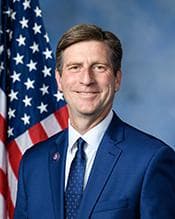
- Greg Stanton
- Cosponsors
- - 1 - 1
- Introduced
- In Committee
What this bill would do
This bill, known as the "Wildfire Response Improvement Act," directs the FEMA Administrator to review how certain mitigation projects are evaluated for cost-effectiveness. It requires recommendations to make assessments and emergency stabilization eligible to protect public safety, regardless of the fire's incident period. The Administrator must also update the Public Assistance Program and Policy Guide to include guidance on wildfire-specific recovery challenges like debris removal and water toxicity. Additionally, the Administrator is tasked with reviewing criteria for wildfire mitigation projects, including nature-based infrastructure and vegetation management. Finally, the Administrator must issue updated guidance to prioritize mitigation projects based on the results of that review.
Yes· 3 of 5
Does this better protect air, water and wildlife?+3
The bill directs a review of nature-based infrastructure and vegetation management for wildfire mitigation.
Does this better protect public land such as parks and forests?+3
The bill focuses on enhancing wildfire mitigation through vegetation management and nature-based infrastructure.
Would people in rural areas be better off under this?+2
The bill's focus on wildfire mitigation and water infrastructure protection provides significant benefits to rural communities often affected by fires.
The opposite
No question was scored the opposite.
Who it would affect, and how
Potential Positive Impacts for People
-
Improved Public Safety Protections: The Administrator is tasked with making assessments and emergency stabilization eligible to protect public safety, including for the fire management assistance program, regardless of the incident period for a declared fire (Section 2).
-
Better Recovery Guidance: The bill requires new guidance within the Public Assistance Program and Policy Guide to address specific wildfire recovery challenges such as debris removal, emergency protective measures, and the toxicity of drinking water resources (Section 3).
-
Enhanced Mitigation Strategies: The review of cost-effectiveness criteria includes looking at the use of nature-based infrastructure and vegetation management for wildfire mitigation (Section 4(a)).
-
Public Health and Water Protection: The review aims to address reducing the negative effects of wildfire smoke on public health and lessening the impact of wildfires on water infrastructure (Section 4(a)).
-
Standardized Mitigation Benefits: The bill directs the establishment of a pre-calculated benefits criterion for common defensible space mitigation projects (Section 4(a)(1)).
Potential Negative Impacts for People
- No specific negative impacts or burdens are explicitly stated in the provided text.
Groups and Interests Ranking
Every group the model scored this bill for, from -10 to +10. Hover a score for the reason it gave.
- Environment Energy And Infrastructure
- Improves Environmental Protections+3Improves Public Land Management+3
- Demographic And Interest Groups
- Good For Rural Residents+2
- Healthcare
- Improves Healthcare Access+2
- Social Issues And Justice
- Improves Poverty Reduction+1
- 3/14/2025
- 1 Cosponsor added.
- 2/14/2025
- Referred to the House Committee on Transportation and Infrastructure.
- Referred to the Subcommittee on Economic Development, Public Buildings, and Emergency Management.
- 1 Cosponsor added.
- Introduced in House
 Jared Huffman
Democrat · California
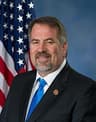 Doug LaMalfa
Republican · California