
Gus Bilirakis (R-FL)
Protecting Our Children in an AI World Act of 2025
A Republican bill with 1 Republican cosponsor · See the cosponsor
Last activity — Referred to the House Committee on the Judiciary.
In committee
Introduced and handed to a committee in the chamber it started in.
The committee holds it, and most bills are never heard from again. A hearing or a committee vote would be news; silence is the usual outcome, and it kills the bill without anyone voting against it.
Its path through Congress
- Introduced
- In Committee
What this bill would do
This bill, known as the "Protecting Our Children in an AI World Act of 2025," aims to amend title 18 of the United States Code. The primary purpose is to prohibit child pornography produced using artificial intelligence. It does this by eliminating a specific affirmative defense currently found in the law. Additionally, it expands the definition of sexually explicit conduct. Finally, it includes a severability clause to ensure the rest of the Act remains in effect if any part is found unconstitutional.
Yes
- Scored +8
Would children be better off under this?
The bill strengthens the legal framework to prevent the exploitation of children via artificial intelligence.
- Scored +5
Does this shorten or soften prison sentences?
The bill removes an affirmative defense that could have been used to avoid prosecution for child pornography offenses.
The opposite
- Scored -3
Does this protect the right to fair treatment by the courts?
The bill eliminates a specific affirmative defense available to defendants in certain prosecutions.
Who it would affect, and how
Potential Positive Impacts for People
-
Elimination of Affirmative Defense: By striking paragraph (2) of subsection (c) in section 2252A, the bill removes a legal defense that could be used in prosecutions involving child pornography. This change aims to prevent individuals from using certain legal protections when dealing with such material (Section 2.a).
-
Updated Definition of Sexually Explicit Conduct: The bill amends section 2256(2)(B) to include the "actual or simulated obscene exhibition of the clothed or unclothed genitals, pubic area, buttocks, or female nipple." This expansion clarifies what is considered sexually explicit conduct under the law (Section 2.b).
Potential Negative Impacts for People
- No negative impacts are explicitly detailed in the text provided.
Groups and Interests Ranking
Every group the model scored this bill for, from -10 to +10. Tap or hover a score for the reason it gave.
- Demographic And Interest Groups
- Would children be better off under this? — The bill strengthens the legal framework to prevent the exploitation of children via artificial intelligence.
- Social Issues And Justice
- Does this shorten or soften prison sentences? — The bill removes an affirmative defense that could have been used to avoid prosecution for child pornography offenses.
- Governance And Ideology
- Does this protect the right to fair treatment by the courts? — The bill eliminates a specific affirmative defense available to defendants in certain prosecutions.
- 4/29/2025
- 1 Cosponsor added.
- 2/13/2025
- Referred to the House Committee on the Judiciary.
- Introduced in House
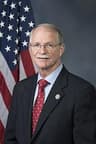 John Rutherford
Republican · Florida