Bill · H.R. 1231· House(119-HR-1231)
START Housing Act of 2025
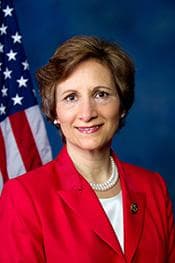
- Introduced
- 2/12/2025
- Last activity
- 2/12/2025 — Referred to the House Committee on Financial Services.
- Sponsored by
- Suzanne Bonamici
- Cosponsors
- - 7 - 2
- Introduced
- In Committee
What this bill would do
The START Housing Act of 2025 seeks to reauthorize and expand a pilot program designed to assist people in recovery from substance use disorders in finding stable housing. It extends the program's timeline from 2026 through 2031. The bill changes how funds are allocated by prioritizing states with high unemployment, low labor force participation, high overdose death rates, and high rates of unsheltered homelessness. Additionally, it introduces requirements for states to consult with housing agencies to create transition plans for participants. The Act also allows for the use of funds for technical assistance and outreach.
Yes· 3 of 6
Does this make housing cost less?+8
The bill expands and reauthorizes a program specifically designed to provide stable housing for people in recovery.
Is this likely to reduce homelessness?+7
The bill prioritizes states with high rates of unsheltered homelessness to provide stable housing solutions.
Does this do more about addiction and overdose deaths?+7
By targeting states with high overdose death rates, the bill directly addresses the opioid epidemic through housing stability.
The opposite
No question was scored the opposite.
Who it would affect, and how
Potential Positive Impacts for People
-
Extended Support for Recovery: The bill extends the program period to cover 2026 through 2031, providing long-term assistance for those in recovery (Section 2, subsection a).
-
Targeted Aid for High-Need Areas: By prioritizing states with the highest drug overdose deaths, unemployment, and unsheltered homelessness, the bill directs help where it is most needed (Section 2, subsection b).
-
Improved Housing Transitions: The bill adds an expectation that participants have access to stable housing upon exiting the program and requires states to develop plans to support individuals moving to other housing (Section 2, subsection c).
-
Increased Outreach and Best Practices: The Secretary can use funds for technical assistance and outreach to help potential participants and grantees (Section 2, subsection f).
Potential Negative Impacts for People
- Funding Restrictions for States: The "supplement not supplant" provision means states can only use this money to add to, not replace, existing state or local funds for housing and recovery services (Section 2, subsection c, paragraph 4).
Groups and Interests Ranking
Every group the model scored this bill for, from -10 to +10. Hover a score for the reason it gave.
- Social Issues And Justice
- Improves Affordable Housing+8Reduces Homelessness+7Improves Poverty Reduction+5
- Healthcare
- Improves Opioid Crisis Response+7Improves Healthcare Access+6
- Demographic And Interest Groups
- Good For Low Income Households+7
- 12/17/2025
- 1 Cosponsor added.
- 4/17/2025
- 1 Cosponsor added.
- 3/25/2025
- 1 Cosponsor added.
- 3/24/2025
- 1 Cosponsor added.
- 2/21/2025
- 1 Cosponsor added.
- 2/12/2025
- Referred to the House Committee on Financial Services.
- 4 Cosponsors added.
- Introduced in House
 Don Bacon
Republican · Nebraska
 Nikki Budzinski
Democrat · Illinois
 Troy Carter
Democrat · Louisiana
 Brian Fitzpatrick
Republican · Pennsylvania
 Raúl Grijalva
Democrat · Arizona
 Greg Landsman
Democrat · Ohio
 Eleanor Norton
Democrat · District of Columbia
 Andrea Salinas
Democrat · Oregon
 Gabe Vasquez
Democrat · New Mexico