Bill · H.R. 1202· House(119-HR-1202)
Stop Human Trafficking of Unaccompanied Migrant Children Act of 2025
- Introduced
- 2/11/2025
- Last activity
- 2/12/2025 — Sponsor introductory remarks on measure. (CR H668)
- Sponsored by
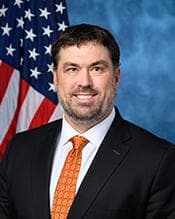
- Morgan Luttrell
- Cosponsors
- - 7 - 0
- Introduced
What this bill would do
The "Stop Human Trafficking of Unaccompanied Migrant Children Act of 2025" aims to establish strict vetting standards for placing unaccompanied alien children with sponsors. It requires prospective sponsors and all adult household members to undergo fingerprint background checks, including criminal history and sex offender registry searches. The bill also limits placement of children with sponsors who are unlawfully present in the U.S., unless they are close relatives. Additionally, it mandates specific home visit requirements before and after a child is released. Finally, the Act requires regular monthly reports to Congress regarding child custody, background checks, and efforts to account for missing children.
Yes
Would children be better off under this?+7
The bill enhances the physical safety of children through mandatory criminal background checks and frequent in-person home visits.
Does this make what the government does easier for the public to see?+5
The bill mandates regular monthly reports to Congress regarding the status of unaccompanied children and the outcomes of vetting processes.
Does this tighten control of the border?+4
The bill implements more rigorous vetting and monitoring of unaccompanied minors entering the country to ensure they are placed in safe environments.
The opposite
Would immigrants be better off under this?-3
The bill limits the ability of sponsors who are unlawfully present to care for unaccompanied children unless they are close relatives.
Does this make it easier for immigrants already here to become citizens?-2
The bill restricts placement options for sponsors who are unlawfully present in the United States.
Is this likely to lift people out of poverty?-1
The increased administrative and vetting requirements may place more logistical burdens on family-based sponsorship systems.
Who it would affect, and how
Potential Positive Impacts for People
-
Enhanced Vetting Procedures: The requirement for fingerprint background checks, public records checks, and National Sex Offender Registry checks ensures a more thorough screening of prospective sponsors (Section 2(a)(1)).
-
Household Safety: By requiring every individual age 18 or older in a household to undergo the vetting process, the bill adds a layer of security for the child within the home (Section 2(a)(2)).
-
Child Abuse Protections: The mandate for a Child Abuse and Neglect check on a State-by-State basis provides an additional layer of verification regarding a sponsor's history (Section 2(a)(1)(D)).
-
Active Monitoring: The requirement for unannounced in-person home visits (at least 5 in the first year) and subsequent quarterly visits provides ongoing oversight of the child's welfare after release (Section 2(c)).
-
Retroactive Accountability: The bill requires immediate vetting for sponsors of children released since January 20, 2021, to ensure previous placements meet these new standards (Section 2(d)).
-
Increased Transparency: Monthly reports to Congress regarding the number of children encountered, released, and missing provide oversight on how these children are being handled (Section 2(e)).
Potential Negative Impacts for People
-
Restrictions on Placement: The Secretary of Health and Human Services is prohibited from releasing children to sponsors who are unlawfully present in the U.S., unless they are a biological parent, legal guardian, or relative (Section 2(b)).
-
Increased Administrative Requirements: The bill places a heavy burden on the Secretary of Health and Human Services to conduct mandatory pre-release home visits and a high volume of post-release unannounced visits (Section 2(c)).
-
Retroactive Burden: The requirement to immediately conduct background checks for all sponsors of children released since January 20, 2021, creates an immediate and large-scale workload for the Secretary and state agencies (Section 2(d)).
Groups and Interests Ranking
Every group the model scored this bill for, from -10 to +10. Hover a score for the reason it gave.
- Governance And Ideology
- Improves Government Transparency+5
- Demographic And Interest Groups
- Good For Children+7Good For Immigrants-3
- Social Issues And Justice
- Improves Border Security+4Improves Pathway To Citizenship-2Improves Poverty Reduction-1
- 9/26/2025
- 1 Cosponsor added.
- 9/19/2025
- 1 Cosponsor added.
- 9/18/2025
- 1 Cosponsor added.
- 2/12/2025
- Sponsor introductory remarks on measure. (CR H668)
- 2/11/2025
- Referred to the House Committee on the Judiciary.
- 4 Cosponsors added.
- Introduced in House
One bill Congress.gov lists as related to this one — companions in the other chamber, earlier versions, and bills this one absorbed or was folded into.
 Dan Crenshaw
Republican · Texas
 Byron Donalds
Republican · Florida
 Scott Franklin
Republican · Florida
 Anna Paulina Luna
Republican · Florida
 Nathaniel Moran
Republican · Texas
 Claudia Tenney
Republican · New York
 Randy Weber
Republican · Texas