
A Republican bill with 29 Democratic cosponsors · See all 54 cosponsors
Last activity — Referred to the House Committee on Ways and Means.
In committee
Introduced and handed to a committee in the chamber it started in.
The committee holds it, and most bills are never heard from again. A hearing or a committee vote would be news; silence is the usual outcome, and it kills the bill without anyone voting against it.
Its path through Congress
- Introduced
- In Committee
What this bill would do
This bill, titled the "New Markets Tax Credit Extension Act of 2025," aims to amend the Internal Revenue Code of 1986. The primary goal is to permanently extend the new markets tax credit beyond its previous expiration date. It modifies how the credit is applied to ensure it continues for each calendar year after 2025. Additionally, the bill introduces an inflation adjustment mechanism for the credit. It also provides specific relief regarding the alternative minimum tax for certain investments.
Yes· 3 of 11
- Scored +5
Does this cut taxes for small businesses?
The bill extends the New Markets Tax Credit, which provides investment incentives for businesses in low-income communities.
- Scored +5
Does this cut the tax on profits from selling investments?
The bill provides relief from the alternative minimum tax for qualified equity investments related to the new markets tax credit.
- Scored +5
Does this make it easier to run a small business?
The extension of the tax credit provides a permanent mechanism to attract capital into business environments in distressed communities.
The opposite
No question was scored the opposite.
Who it would affect, and how
Potential Positive Impacts for People
-
Permanent Credit Availability: Section 2(a)(1) changes the expiration of the credit so that it applies to "each calendar year thereafter" instead of ending after 2025. This provides long-term certainty for the new markets tax credit.
-
Inflation Adjustments: Section 2(b) adds a provision to increase the dollar amount of the credit based on cost-of-living adjustments for calendar years beginning after 2025. This ensures the credit maintains its value over time.
-
Tax Relief: Section 2(c) provides relief for the alternative minimum tax regarding the credit for qualified equity investments made after December 31, 2024.
Potential Negative Impacts for People
- No Negative Impacts Identified: The provided text does not contain information regarding potential negative consequences or burdens for individuals or groups.
Groups and Interests Ranking
Every group the model scored this bill for, from -10 to +10. Tap or hover a score for the reason it gave.
- Economy And Finance
- Does this make it easier to run a small business? — The extension of the tax credit provides a permanent mechanism to attract capital into business environments in distressed communities. Does this cut the tax on profits from selling investments? — The bill provides relief from the alternative minimum tax for qualified equity investments related to the new markets tax credit. Does this cut taxes for small businesses? — The bill extends the New Markets Tax Credit, which provides investment incentives for businesses in low-income communities. Is this likely to grow the economy? — The permanent extension of the New Markets Tax Credit encourages private investment in low-income areas to stimulate economic activity. Is this likely to create jobs? — By permanently extending the New Markets Tax Credit, the bill encourages long-term investment in underserved communities which can lead to job creation.
- Demographic And Interest Groups
- Would business owners be better off under this? — The bill provides long-term certainty and inflation-adjusted incentives for businesses participating in the New Markets Tax Credit program. Would high-income households be better off under this? — The bill provides alternative minimum tax relief for those making qualified equity investments under the new markets tax credit. Would people with substantial wealth be better off under this? — The bill offers specific alternative minimum tax relief for qualified equity investments made after 2024. Would households on low incomes be better off under this? — The bill encourages investment in low-income communities through the permanent extension of the New Markets Tax credit. Would people in cities be better off under this? — The extension of the credit can facilitate development in urban distressed areas where these credits are often utilized.
- Social Issues And Justice
- Is this likely to lift people out of poverty? — The New Markets Tax Credit is designed to stimulate economic development in low-income communities, which can aid in poverty reduction.
- 12/17/2025
- 1 Cosponsor added.
- 10/21/2025
- 1 Cosponsor added.
- 9/23/2025
- 1 Cosponsor added.
- 8/5/2025
- 1 Cosponsor added.
- 7/14/2025
- 1 Cosponsor added.
- 6/24/2025
- 1 Cosponsor added.
- 6/17/2025
- 1 Cosponsor added.
- 6/3/2025
- 1 Cosponsor added.
- 5/29/2025
- 1 Cosponsor added.
- 5/15/2025
- 2 Cosponsors added.
- 5/13/2025
- 1 Cosponsor added.
- 5/7/2025
- 1 Cosponsor added.
- 5/5/2025
- 1 Cosponsor added.
- 4/7/2025
- 1 Cosponsor added.
- 4/1/2025
- 3 Cosponsors added.
- 3/31/2025
- 1 Cosponsor added.
- 3/25/2025
- 1 Cosponsor added.
- 3/21/2025
- 1 Cosponsor added.
- 3/10/2025
- 2 Cosponsors added.
- 3/6/2025
- 1 Cosponsor added.
- 3/5/2025
- 1 Cosponsor added.
- 3/4/2025
- 2 Cosponsors added.
- 3/3/2025
- 2 Cosponsors added.
- 2/21/2025
- 1 Cosponsor added.
- 2/12/2025
- 1 Cosponsor added.
- 2/6/2025
- Referred to the House Committee on Ways and Means.
- 23 Cosponsors added.
- Introduced in House
One bill Congress.gov lists as related to this one — companions in the other chamber, earlier versions, and bills this one absorbed or was folded into.
 Sanford Bishop
Democrat · Georgia
 Vern Buchanan
Republican · Florida
 Donald Beyer
Democrat · Virginia
 Don Bacon
Republican · Nebraska
 Jack Bergman
Republican · Michigan
 Shontel Brown
Democrat · Ohio
 Judy Chu
Democrat · California
 Jason Crow
Democrat · Colorado
 Mike Carey
Republican · Ohio
 Herbert Conaway
Democrat · New Jersey
 Danny Davis
Democrat · Illinois
 Donald Davis
Democrat · North Carolina
 Mario Diaz-Balart
Republican · Florida
 Suzan DelBene
Democrat · Washington
 Randy Feenstra
Republican · Iowa
 Brian Fitzpatrick
Republican · Pennsylvania
 Michelle Fischbach
Republican · Minnesota
 Brad Finstad
Republican · Minnesota
 Jimmy Gomez
Democrat · California
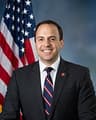 Lance Gooden
Republican · Texas
 Daniel Goldman
Democrat · New York
 Maggie Goodlander
Democrat · New Hampshire
 Chrissy Houlahan
Democrat · Pennsylvania
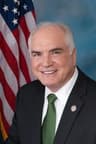 Mike Kelly
Republican · Pennsylvania
 David Kustoff
Republican · Tennessee
 John Larson
Democrat · Connecticut
 Darin LaHood
Republican · Illinois
 Tracey Mann
Republican · Kansas
 Betty McCollum
Democrat · Minnesota
 Gwen Moore
Democrat · Wisconsin
 Carol Miller
Republican · West Virginia
 Joseph Morelle
Democrat · New York
 Frank Mrvan
Democrat · Indiana
 Max Miller
Republican · Ohio
 Seth Magaziner
Democrat · Rhode Island
 Nathaniel Moran
Republican · Texas
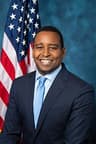 Joe Neguse
Democrat · Colorado
 Ilhan Omar
Democrat · Minnesota
 Chellie Pingree
Democrat · Maine
 Jimmy Panetta
Democrat · California
 Chris Pappas
Democrat · New Hampshire
 Harold Rogers
Republican · Kentucky
 Linda Sánchez
Democrat · California
 Terri Sewell
Democrat · Alabama
 Elise Stefanik
Republican · New York
 Lloyd Smucker
Republican · Pennsylvania
 W. Steube
Republican · Florida
 Emilia Sykes
Democrat · Ohio
 Michael Turner
Republican · Ohio
 Beth Van Duyne
Republican · Texas
 Derrick Van Orden
Republican · Wisconsin
 Gabe Vasquez
Democrat · New Mexico
 Eugene Vindman
Democrat · Virginia
 Rudy Yakym
Republican · Indiana