Bill · H.R. 10645· House(119-HR-10645)
SMART Act
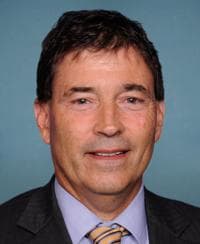
- Introduced
- 10/1/2026
- Last activity
- 10/1/2026 — Referred to the House Committee on Energy and Commerce.
- Sponsored by
- Troy Balderson
- Cosponsors
- - 4 - 0
- Introduced
- In Committee
What this bill would do
This bill is known as the Strengthening Medicaid Analytics to Reduce Theft Act or the SMART Act. It requires the Secretary of Health and Human Services to make standardized data analytic technologies uniformly available to States. These technologies are meant to help identify and prevent fraud, waste, and abuse under Medicaid. The Secretary must provide these tools within 180 days of the enactment of the subsection. Additionally, the Secretary must provide technical assistance and training to States on how to use these technologies. Finally, the Secretary must submit annual reports to Congress detailing state access, utilization, and instances of possible fraud identified.
Yes· 3 of 4
Does this reduce what the federal government spends?+4
The bill provides tools to identify and prevent Medicaid fraud, waste, and abuse, which can reduce improper government spending.
Does this make what the government does easier for the public to see?+4
The legislation requires annual reports to Congress detailing state utilization of anti-fraud technologies and the amounts of overpayments identified and collected.
Does this make the government pay for what it commits to?+3
By requiring regular reports on identified overpayments and fraud metrics, the legislation promotes accountability and fiscal responsibility in healthcare programs.
The opposite
No question was scored the opposite.
Who it would affect, and how
Potential Positive Impacts for People
-
Under Section 2, adding subsection (cc)(1)(B)(iii), the Secretary makes dashboards and other investigative tools available to States. This could benefit people by giving officials better tools to track down improper spending and protect taxpayer money.
-
Under Section 2, adding subsection (cc)(2), the Secretary must provide technical assistance and training to States on how to use the technologies. This is a positive step because it ensures that State workers actually know how to operate the new anti-fraud systems effectively.
-
Under Section 2, adding subsection (cc)(3), the Secretary must submit annual reports to Congress regarding how many States use the technologies and how much improper payment is collected. This holds officials accountable by requiring transparent tracking of the program's success.
Potential Negative Impacts for People
Based on the provided text, there are no specific sections or provisions that explicitly identify negative consequences or burdens for individuals or groups of people in the United States.
Groups and Interests Ranking
Every group the model scored this bill for, from -10 to +10. Hover a score for the reason it gave.
- Economy And Finance
- Reduces Government Spending+4Improves Fiscal Responsibility+3
- Governance And Ideology
- Improves Government Transparency+4Increases Federal Power+2
- 10/1/2026
- Referred to the House Committee on Energy and Commerce.
- 4 Cosponsors added.
- Introduced in House
 Gus Bilirakis
Republican · Florida
 Diana Harshbarger
Republican · Tennessee
 John Joyce
Republican · Pennsylvania
 August Pfluger
Republican · Texas