Bill · H.R. 10631· House(119-HR-10631)
Smaller Class Sizes for Students and Educators Act of 2026
- Introduced
- 9/28/2026
- Last activity
- 9/28/2026 — Referred to the House Committee on Education and Workforce.
- Sponsored by
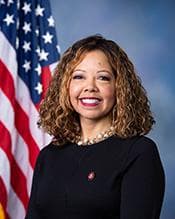
- Lucy McBath
- Cosponsors
- - 2 - 0
- Introduced
- In Committee
What this bill would do
The ``Smaller Class Sizes for Students and Educators Act of 2026'' sets up a competitive grant program run by the Secretary of Education. This program provides money to local educational agencies to help public schools reduce class sizes down to no more than 18 students per class in kindergarten through grade 3. Schools must focus these efforts on targeted schools, which are public elementary schools with high numbers of students eligible for free or reduced-price lunches. Grant recipients must use at least 97 percent of their funds to reduce class sizes through activities like hiring qualified teachers, obtaining space, and providing professional development. The bill authorizes an appropriation of $2,000,000,000 for the first fiscal year to carry out this section. Local educational agencies receiving these funds must submit annual reports to their State, which are then submitted to the Secretary.
Yes· 3 of 10
Does this put more money into public schools?+7
The bill authorizes $2,000,000,000 in competitive grants for local educational agencies to reduce public school class sizes in early elementary grades.
Would children be better off under this?+6
The bill provides grants to lower early elementary class sizes to no more than 18 students, leading to more individualized attention for young students.
Would students be better off under this?+6
The bill directly benefits public school students in kindergarten through grade 3 by reducing class sizes and enhancing teacher support.
The opposite
Does this reduce what the federal government spends?-3
The bill authorizes an appropriation of $2,000,000,000 for the first fiscal year to fund the competitive grant program.
Who it would affect, and how
Potential Positive Impacts for People
-
Reduced Class Sizes for Young Students: Section 3(a)(1) and Section 3(d)(2)(A) provide grants to local educational agencies to lower class sizes to not more than 18 students per class in early elementary grades (kindergarten through grade 3) at targeted schools, which can lead to more individualized attention for students.
-
Teacher Recruitment and Training: Section 3(d)(2)(A)(i) and Section 3(d)(2)(A)(iii) allow funds to be used for recruiting, hiring, and supporting fully certified and qualified teachers, including special education teachers, and providing professional development for early elementary teachers, which benefits both educators and students.
-
Priority for High-Poverty Areas: Section 3(c) and Section 3(d)(2)(B) require the Secretary to give priority to local educational agencies serving the greatest number or percentage of students from families with incomes at or below the poverty line, directing resources where they may be needed most.
Potential Negative Impacts for People
-
Caps on Facility Renovations and Professional Development: Section 3(d)(2)(A)(ii) and Section 3(d)(2)(A)(iii) restrict the use of grant funds so that not more than 15 percent may be used for obtaining additional space or renovating school buildings, and not more than 15 percent may be used for professional development, which could limit a school's flexibility if they have greater needs in these specific areas.
-
Administrative Burdens and Reporting Requirements: Section 3(e)(1) requires local educational agencies to prepare and submit annual reports on their activities and progress, which creates additional administrative work for school personnel who are already busy managing classrooms.
Groups and Interests Ranking
Every group the model scored this bill for, from -10 to +10. Hover a score for the reason it gave.
- Demographic And Interest Groups
- Good For Children+6Good For Students+6Good For Low Income Households+5Good For Young Adults+4Good For Middle Class Households+3
- Education And Technology
- Increases Public School Funding+7
- Governance And Ideology
- Improves Government Transparency+4Increases Federal Power+3
- Social Issues And Justice
- Improves Poverty Reduction+3
- Economy And Finance
- Increases Job Creation+5Reduces Government Spending-3
- 9/28/2026
- Referred to the House Committee on Education and Workforce.
- 2 Cosponsors added.
- Introduced in House
5 bills Congress.gov lists as related to this one — companions in the other chamber, earlier versions, and bills this one absorbed or was folded into.
 Shontel Brown
Democrat · Ohio
 Eleanor Norton
Democrat · District of Columbia