Bill · H.R. 10563· House(119-HR-10563)
Facial Recognition and Biometric Technology Moratorium Act of 2026
- Introduced
- 9/24/2026
- Last activity
- 9/24/2026 — Referred to the Committee on the Judiciary, and in addition to the Committee on Oversight and Government Reform, for a period to be subsequently determined by the Speaker, in each case for consideration of such provisions as fall within the jurisdiction of the committee concerned.
- Sponsored by
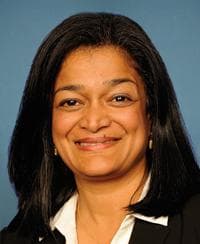
- Pramila Jayapal
- Cosponsors
- - 8 - 0
- Introduced
- In Committee
What this bill would do
This bill is called the Facial Recognition and Biometric Technology Moratorium Act of 2026. It makes it illegal for the Federal Government to use biometric surveillance systems unless Congress explicitly passes a new law allowing it. The bill stops federal law enforcement agencies from spending money to buy or use these systems. It also blocks State and local governments from getting Byrne grant program money if they use biometric surveillance. Individuals who are harmed by a violation can sue the Federal Government in court. State attorneys general can also bring civil actions on behalf of their residents.
Yes· 3 of 9
Does this protect people from being watched or searched?+9
The bill establishes robust restrictions against government biometric tracking, directly safeguarding individual privacy rights from intrusive surveillance.
Does this give people more control over their personal data?+8
The legislation places strict moratoria and prohibitions on federal, state, and local use of facial recognition and biometric technologies, greatly enhancing personal privacy protections.
Does this protect the right to fair treatment by the courts?+7
By prohibiting the federal use of unreliable biometric identification systems, the bill prevents tainted evidence from undermining due process in legal proceedings.
The opposite
Does this put more money into stopping terrorism?-5
The bill restricts federal law enforcement and security agencies from using biometric surveillance tools, which could impact counter-terrorism capabilities.
Who it would affect, and how
Potential Positive Impacts for People
-
Section 3(a) makes it unlawful for any Federal agency or official to acquire, possess, access, or use biometric surveillance systems or information derived from them without explicit congressional approval. This protects everyday people from being tracked and watched by the federal government using facial recognition, voice recognition, or gait tracking.
-
Section 3(c)(2) gives individuals who are harmed by a violation of the Act the right to sue the Federal Government in court. This provision holds officials accountable by allowing people to seek actual damages, punitive damages, and legal costs if their rights are violated.
-
Section 3(c)(2)(C) allows the chief law enforcement officer or authorized officer of a State to bring a civil action on behalf of state residents. This gives states a tool to step in and protect their citizens from federal overreach regarding biometric surveillance.
-
Section 3(d) establishes civil penalties for Federal officials who violate the ban, including retraining, suspension, or termination. This ensures that officials who break the rules face real employment consequences.
Potential Negative Impacts for People
- Section 4(a) makes State and local governments ineligible to receive Federal financial assistance under the Byrne grant program unless they comply with a law or policy substantially similar to the federal prohibition. This could burden local law enforcement agencies by withholding public safety grant money if they utilize biometric surveillance tools.
Groups and Interests Ranking
Every group the model scored this bill for, from -10 to +10. Hover a score for the reason it gave.
- Governance And Ideology
- Improves Privacy Rights+9Improves Due Process+7Improves Government Transparency+5Increases Federal Power+4
- Demographic And Interest Groups
- Good For African Americans+6Good For Immigrants+5
- Education And Technology
- Improves Data Privacy+8Increases Scientific Research Funding+3
- Social Issues And Justice
- Improves Racial Equity+6
- National Security And Foreign Policy
- Increases Counter Terrorism Funding-5
- 9/24/2026
- Referred to the Committee on the Judiciary, and in addition to the Committee on Oversight and Government Reform, for a period to be subsequently determined by the Speaker, in each case for consideration of such provisions as fall within the jurisdiction of the committee concerned.
- 8 Cosponsors added.
- Introduced in House
4 bills Congress.gov lists as related to this one — companions in the other chamber, earlier versions, and bills this one absorbed or was folded into.
 Judy Chu
Democrat · California
 Greg Casar
Democrat · Texas
 James McGovern
Democrat · Massachusetts
 Eleanor Norton
Democrat · District of Columbia
 Ayanna Pressley
Democrat · Massachusetts
 Delia Ramirez
Democrat · Illinois
 Janice Schakowsky
Democrat · Illinois
 Rashida Tlaib
Democrat · Michigan