Bill · H.R. 10537· House(119-HR-10537)
Federal Emergency Mobilization Accountability (FEMA) Workforce Planning Act
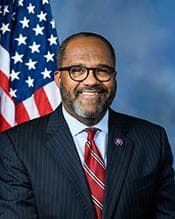
- Introduced
- 9/24/2026
- Last activity
- 9/24/2026 — Referred to the House Committee on Transportation and Infrastructure.
- Sponsored by
- Troy Carter
- Cosponsors
- - 1 - 1
- Introduced
- In Committee
What this bill would do
This bill is known as the Federal Emergency Mobilization Accountability (FEMA) Workforce Planning Act. It requires the Administrator of the Federal Emergency Management Agency to develop and submit a human capital operating plan to shape and improve the Agency's workforce. The initial plan is due not later than 1 year after the enactment of the Act, and updated plans must be submitted at least once every 3 years thereafter. The bill outlines specific contents that must be included in the plan, such as performance measures, cost analyses, staffing gaps, and recruitment strategies. Furthermore, the Comptroller General must analyze the plan and submit a report on it within 180 days of its submission. Finally, the Act explicitly states that no additional funds are authorized to be appropriated to carry out its provisions.
Yes· 3 of 5
Does this improve help for people hit by a disaster?+4
The legislation requires FEMA to develop comprehensive workforce operating plans to address staffing gaps and improve emergency response capabilities.
Does this make what the government does easier for the public to see?+3
The bill mandates regular reporting and Comptroller General analysis regarding FEMA's workforce planning, attrition, and anti-discrimination efforts.
Does this narrow racial gaps in how people are treated?+3
The bill requires specific strategies for identifying, addressing, preventing, and mitigating discriminatory actions and harassment within the Agency.
The opposite
No question was scored the opposite.
Who it would affect, and how
Potential Positive Impacts for People
-
Section 2(d)(1): This provision requires the plan to include performance measures to monitor and evaluate progress toward filling staffing gaps and closing skills gaps in mission-critical occupations. This could benefit the public by ensuring FEMA has a more capable and fully staffed workforce to respond to emergencies.
-
Section 2(d)(4): This section mandates strategies and practices designed to increase cost-efficiency within workforce operations, including reducing overhead costs and avoiding unnecessary expenditures. This is a positive step for taxpayers, as it encourages better use of public resources.
-
Section 2(d)(7)(E): This provision requires specific strategies for identifying, addressing, preventing, and mitigating discriminatory actions or decisions based on political affiliation. This protects the integrity of the Agency and ensures fair treatment for workers and the public.
-
Section 2(d)(8)(D): This part requires the plan to detail the Agency's efforts to help prevent and respond to discrimination and harassment, as well as information on reported cases and their outcomes. Holding the Agency accountable in this area helps foster a safer and more professional environment.
Potential Negative Impacts for People
- Section 2(f): This provision explicitly states that no additional funds are authorized to be appropriated to carry out the Act. Because developing complex workforce plans and reports takes time and resources, this could potentially place an unfunded burden on existing Agency staff who must juggle these new requirements alongside their regular emergency response duties.
Groups and Interests Ranking
Every group the model scored this bill for, from -10 to +10. Hover a score for the reason it gave.
- Environment Energy And Infrastructure
- Improves Disaster Relief And F E M A+4
- Governance And Ideology
- Improves Government Transparency+3
- Social Issues And Justice
- Improves Racial Equity+3
- Demographic And Interest Groups
- Good For Veterans+2
- Economy And Finance
- Reduces Government Spending+2
- 9/24/2026
- Referred to the House Committee on Transportation and Infrastructure.
- 2 Cosponsors added.
- Introduced in House
3 bills Congress.gov lists as related to this one — companions in the other chamber, earlier versions, and bills this one absorbed or was folded into.
 Mike Ezell
Republican · Mississippi
 Bennie Thompson
Democrat · Mississippi