Bill · H.R. 10515· House(119-HR-10515)
Artificial Intelligence Education and Workforce Readiness Act of 2026
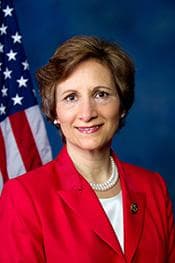
- Introduced
- 9/21/2026
- Last activity
- 9/21/2026 — Referred to the Committee on Education and Workforce, and in addition to the Committees on Science, Space, and Technology, and Ways and Means, for a period to be subsequently determined by the Speaker, in each case for consideration of such provisions as fall within the jurisdiction of the committee concerned.
- Sponsored by
- Suzanne Bonamici
- Cosponsors
- - 8 - 0
- Introduced
- In Committee
What this bill would do
The bill establishes a Federal framework for artificial intelligence in education and the workforce to promote ethical teaching and learning, workforce development, and data privacy. It creates interagency councils and grant programs to support AI-disrupted career pathways, micro-credentials, and reskilling initiatives. The legislation mandates compliance with risk management frameworks, bias and accessibility testing, and strict data security protocols to protect students and workers. Additionally, it addresses the environmental impacts of AI infrastructure and requires transparency regarding energy and water consumption.
Yes· 3 of 36
Would students be better off under this?+7
Students receive enhanced AI literacy education, better teacher training, and robust data privacy protections.
Does this put more money into public schools?+7
Title I and Title III authorize significant funding and grant programs to incorporate AI literacy, ethics, and teacher training into public schools and higher education.
Does this give people more control over their personal data?+7
Title V and Section 6 establish strict data breach notification portals, privacy protections, and prohibitions on selling student data.
The opposite
Does this reduce what the federal government spends?-4
The bill authorizes substantial new appropriations across multiple federal titles to fund AI education, workforce grants, and research programs.
Who it would affect, and how
Potential Positive Impacts for People
-
Section 101 and Section 204 establish grant programs for AI-disrupted career pathways and apprenticeships that include paid work-based learning, which benefits individuals by helping them gain skills and credentials for in-demand occupations while receiving wages or stipends.
-
Section 208 provides an artificial intelligence reskilling tax credit for employers, which encourages businesses to invest in training programs for their workers to help them transition into or retain jobs in AI-impacted industries.
-
Section 301 and Section 302 authorize grant programs to promote equitable access to AI education in schools and build capacity in minority-serving institutions, which helps expand educational opportunities for underserved communities, women, first-generation college students, and low-income individuals.
-
Section 404 mandates community transparency and environmental disclosure by requiring artificial intelligence infrastructure operators to provide plain-language summaries of projected energy and water consumption to the local communities where their facilities are sited.
-
Section 504 limits the exclusive reliance on automated decision systems in workforce programs by requiring human oversight, pre-deployment testing for discriminatory impacts, and the right for participants to seek human review of decisions.
Potential Negative Impacts for People
- Section 6 and Section 404 impose compliance requirements, data security programs, mandatory reporting procedures, and disclosure mandates on entities receiving funds and AI infrastructure operators, which could create administrative burdens and compliance costs for schools, local governments, and businesses.
Groups and Interests Ranking
Every group the model scored this bill for, from -10 to +10. Hover a score for the reason it gave.
- Demographic And Interest Groups
- Good For Students+7Good For African Americans+6Good For Children+6Good For Hispanic Americans+6Good For Low Income Households+6Good For Middle Aged+6Good For Native Americans+6Good For Young Adults+6Good For Business Owners+5Good For Middle Class Households+5Good For Rural Residents+5Good For Veterans+5Good For Women+5Good For Immigrants+4Good For Urban Residents+4Good For Seniors+3
- Education And Technology
- Improves Data Privacy+7Increases Public School Funding+7Increases Big Tech Regulation+6Increases Scientific Research Funding+6Improves College Affordability+5Improves Internet Access+3
- Social Issues And Justice
- Improves Racial Equity+6Improves Disability Rights+5Improves Gender Equality+5Improves Poverty Reduction+4
- Economy And Finance
- Increases Job Creation+6Improves Economic Growth+5Improves Small Business Support+5Reduces Small Business Taxes+5Reduces Government Spending-4
- Environment Energy And Infrastructure
- Improves Environmental Protections+5Improves Rural Development+4Increases Renewable Energy Investment+3
- Governance And Ideology
- Improves Government Transparency+6Improves Due Process+5
- National Security And Foreign Policy
- Improves Cybersecurity Defense+4
- 9/24/2026
- 1 Cosponsor added.
- 9/21/2026
- Referred to the Committee on Education and Workforce, and in addition to the Committees on Science, Space, and Technology, and Ways and Means, for a period to be subsequently determined by the Speaker, in each case for consideration of such provisions as fall within the jurisdiction of the committee concerned.
- 7 Cosponsors added.
- Introduced in House
 Valerie Foushee
Democrat · North Carolina
 Josh Gottheimer
Democrat · New Jersey
 Raja Krishnamoorthi
Democrat · Illinois
 Ted Lieu
Democrat · California
 Greg Landsman
Democrat · Ohio
 Jimmy Panetta
Democrat · California
 Bennie Thompson
Democrat · Mississippi
 Frederica Wilson
Democrat · Florida