Bill · H.R. 10476· House(119-HR-10476)
Glaucoma Vision Act of 2026
- Introduced
- 9/16/2026
- Last activity
- 9/16/2026 — Referred to the Committee on Energy and Commerce, and in addition to the Committees on Ways and Means, and Oversight and Government Reform, for a period to be subsequently determined by the Speaker, in each case for consideration of such provisions as fall within the jurisdiction of the committee concerned.
- Sponsored by
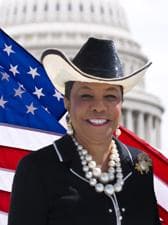
- Frederica Wilson
- Cosponsors
- - 27 - 0
- Introduced
- In Committee
What this bill would do
The Glaucoma Vision Act of 2026 requires private health insurance, Medicare, Medicaid, and Federal Employees Health Benefits plans to cover annual glaucoma screenings for specified individuals without cost sharing. Specified individuals include adults aged 40 or older with certain ancestries or clinical risk factors, as well as anyone aged 60 or older. The bill also directs the Centers for Disease Control and Prevention to establish a grant program to provide free or low-cost screenings and follow-up treatments for uninsured and underinsured high-risk individuals. Additionally, it authorizes grants for research related to glaucoma and optic nerve damage. These changes are generally set to take effect starting on January 1, 2027.
Yes· 3 of 16
Does this make health care easier to get in general?+7
The legislation expands access to annual glaucoma screenings across Medicare, Medicaid, private insurance, and federal employee plans, and funds community grants for uninsured populations.
Would people over 65 be better off under this?+6
The bill ensures Medicare and other health plans cover annual glaucoma screenings for individuals aged 60 and older without cost sharing.
Would households on low incomes be better off under this?+6
The bill mandates glaucoma screening coverage under Medicaid without cost sharing and provides grant funding for free or low-cost screenings for uninsured and underinsured populations.
The opposite
No question was scored the opposite.
Who it would affect, and how
Potential Positive Impacts for People
-
Private Insurance Coverage: Section 3(a) amends the Public Health Service Act to require private health plans to cover annual glaucoma screenings for specified individuals starting on January 1, 2027, which helps catch vision issues early for people with commercial insurance.
-
Medicare Improvements: Section 3(b) ensures that Medicare covers glaucoma screenings appropriately for specified individuals without certain standard limitations starting on January 1, 2027, making it easier for older adults to monitor their eye health.
-
Medicaid Protections and Benefits: Section 3(c) makes glaucoma screenings a mandatory Medicaid benefit and explicitly prohibits states from imposing deductibles, cost sharing, or similar charges for these screenings starting on January 1, 2027, protecting low-income individuals from out-of-pocket expenses.
-
Federal Employee Benefits: Section 3(d) requires Federal Employees Health Benefits plans to provide glaucoma screening benefits for specified individuals without imposing any cost sharing like copayments or deductibles starting on January 1, 2027.
-
CDC Grants for the Uninsured: Section 4 directs the CDC to expand glaucoma detection and prevention activities by awarding grants to provide free or low-cost screenings and follow-up treatments to uninsured and underinsured high-risk individuals, prioritizing underserved populations and racial and ethnic minority communities.
-
Research Funding: Section 5 authorizes $10,000,000 for fiscal years 2027 through 2028 for research grants focused on optic nerve regeneration, neuroprotection strategies, gene therapies, and stem cell-based therapies to preserve or restore vision.
Potential Negative Impacts for People
- Potential Burdens Found: The provided text explicitly outlines requirements, grants, and expansions of care, but does not contain any provisions that create negative consequences, penalties, or burdens for individuals or groups of people in the United States.
Groups and Interests Ranking
Every group the model scored this bill for, from -10 to +10. Hover a score for the reason it gave.
- Demographic And Interest Groups
- Good For Low Income Households+6Good For Seniors+6Good For African Americans+5Good For Asian Americans+5Good For Hispanic Americans+5Good For People With Disabilities+5Good For Veterans+3
- Healthcare
- Improves Healthcare Access+7Increases Research Funding+6Increases Affordable Care Act Support+5Increases Medicaid Funding+5Increases Medicare Funding+5
- Social Issues And Justice
- Improves Disability Rights+4Improves Racial Equity+4Improves Poverty Reduction+3
- Education And Technology
- Increases Scientific Research Funding+6
- 10/5/2026
- 1 Cosponsor added.
- 10/1/2026
- 1 Cosponsor added.
- 9/24/2026
- 1 Cosponsor added.
- 9/16/2026
- Referred to the Committee on Energy and Commerce, and in addition to the Committees on Ways and Means, and Oversight and Government Reform, for a period to be subsequently determined by the Speaker, in each case for consideration of such provisions as fall within the jurisdiction of the committee concerned.
- 24 Cosponsors added.
- Introduced in House
 Sanford Bishop
Democrat · Georgia
 Joyce Beatty
Democrat · Ohio
 Jim Costa
Democrat · California
 Emanuel Cleaver
Democrat · Missouri
 Yvette Clarke
Democrat · New York
 Troy Carter
Democrat · Louisiana
 Jasmine Crockett
Democrat · Texas
 Debbie Dingell
Democrat · Michigan
 Lois Frankel
Democrat · Florida
 Adelita Grijalva
Democrat · Arizona
 Jonathan Jackson
Democrat · Illinois
 Robin Kelly
Democrat · Illinois
 Kweisi Mfume
Democrat · Maryland
 Lucy McBath
Democrat · Georgia
 Jennifer McClellan
Democrat · Virginia
 LaMonica McIver
Democrat · New Jersey
 Christian Menefee
Democrat · Texas
 Jerrold Nadler
Democrat · New York
 Eleanor Norton
Democrat · District of Columbia
 Brad Sherman
Democrat · California
 Terri Sewell
Democrat · Alabama
 Bennie Thompson
Democrat · Mississippi
 Shri Thanedar
Democrat · Michigan
 Nydia Velázquez
Democrat · New York
 Maxine Waters
Democrat · California
 Nikema Williams
Democrat · Georgia
 Bonnie Watson Coleman
Democrat · New Jersey