Bill · H.R. 10444· House(119-HR-10444)
Stop Corporate Takeovers of Physicians Act of 2026
- Introduced
- 9/16/2026
- Last activity
- 9/16/2026 — Referred to the Committee on Energy and Commerce, and in addition to the Committee on Ways and Means, for a period to be subsequently determined by the Speaker, in each case for consideration of such provisions as fall within the jurisdiction of the committee concerned.
- Sponsored by
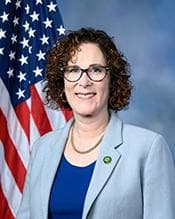
- Val Hoyle
- Cosponsors
- - 16 - 0
- Introduced
- In Committee
What this bill would do
This bill sets up protections for physicians and other licensed health professionals while placing rules on medical practices and management services organizations. It makes it unlawful for corporate entities not majority-owned and controlled by licensees to own medical practices or employ licensees, with specific exceptions for non-profits and hospitals. The legislation bans non-compete clauses, non-disclosure agreements, and non-disparagement agreements for licensees, except for certain ownership situations. It also restricts management services organizations from controlling the clinical, business, or administrative operations of medical practices. Finally, the bill provides enforcement mechanisms through the Federal Trade Commission, State Attorneys General, and private civil actions.
Yes· 3 of 4
Does this make it easier to run a small business?+6
The bill ensures that medical practices are majority-owned and controlled by licensed healthcare professionals rather than corporate entities.
Does this protect the right to fair treatment by the courts?+5
The legislation provides individuals and affected licensees with a private right of action and legal remedies to hold violators accountable.
Does this make health care easier to get in general?+5
By protecting clinical independence and banning restrictive non-compete clauses, the legislation helps retain healthcare professionals and supports patient access.
The opposite
No question was scored the opposite.
Who it would affect, and how
Potential Positive Impacts for People
-
Protection of Clinical Judgment: Under Section 2(b)(1)(B), health providers are prohibited from interfering with or directing the professional judgment of licensed health professionals. This ensures that doctors and nurses can make medical decisions based on patient needs rather than outside corporate pressures regarding time spent with patients or treatment choices.
-
Ban on Restrictive Employment Clauses: According to Section 2(b)(1)(A), non-compete, non-disclosure, and non-disparagement agreements for licensees are rendered void and unenforceable. This benefits healthcare workers by allowing them to freely change jobs or speak out without legal threats from employers.
-
Fair Management Contracts: Section 2(b)(2)(A)(vi) requires that any management services contract be negotiated at arm's length through independent legal and financial advisors with fair market value compensation. This prevents outside management companies from taking unfair financial advantage of medical practices.
-
Right to Legal Action: Section 2(e)(2) and Section 2(e)(3) establish a private right of action for injured persons and allow State Attorneys General to bring civil actions on behalf of residents. This gives patients and workers real tools to hold bad actors accountable in court and seek treble damages or equitable relief.
Potential Negative Impacts for People
-
Operational Burdens for Management Organizations: Under Section 2(b)(2)(A), management services organizations face strict prohibitions on controlling business operations, staffing levels, pricing, and scheduling for medical practices. These heavy restrictions might create administrative burdens or operational challenges for businesses that assist medical offices.
-
Potential Disruption in Existing Business Models: Because Section 2(a) requires medical practices to be majority-owned and controlled by licensed health professionals (with limited exceptions), existing corporate structures that rely on non-licensee ownership may be forced to completely restructure. This could cause transitional disruptions for certain healthcare facilities and businesses.
Groups and Interests Ranking
Every group the model scored this bill for, from -10 to +10. Hover a score for the reason it gave.
- Governance And Ideology
- Improves Due Process+5Improves Government Transparency+4
- Economy And Finance
- Improves Small Business Support+6
- Healthcare
- Improves Healthcare Access+5
- 10/9/2026
- 1 Cosponsor added.
- 10/1/2026
- 3 Cosponsors added.
- 9/24/2026
- 2 Cosponsors added.
- 9/16/2026
- Referred to the Committee on Energy and Commerce, and in addition to the Committee on Ways and Means, for a period to be subsequently determined by the Speaker, in each case for consideration of such provisions as fall within the jurisdiction of the committee concerned.
- 10 Cosponsors added.
- Introduced in House
One bill Congress.gov lists as related to this one — companions in the other chamber, earlier versions, and bills this one absorbed or was folded into.
 Yassamin Ansari
Democrat · Arizona
 Suzanne Bonamici
Democrat · Oregon
 Becca Balint
Democrat · Vermont
 Yvette Clarke
Democrat · New York
 Christopher Deluzio
Democrat · Pennsylvania
 Maxine Dexter
Democrat · Oregon
 Maxwell Frost
Democrat · Florida
 Jesús García
Democrat · Illinois
 Adelita Grijalva
Democrat · Arizona
 Grace Meng
Democrat · New York
 Eleanor Norton
Democrat · District of Columbia
 Alexandria Ocasio-Cortez
Democrat · New York
 Mark Pocan
Democrat · Wisconsin
 Andrea Salinas
Democrat · Oregon
 Suhas Subramanyam
Democrat · Virginia
 Rashida Tlaib
Democrat · Michigan