Bill · H.R. 10438· House(119-HR-10438)
SYLLABLE Act of 2026
- Introduced
- 9/16/2026
- Last activity
- 9/16/2026 — Referred to the House Committee on Education and Workforce.
- Sponsored by
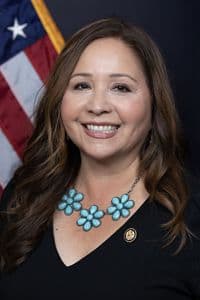
- Adelita Grijalva
- Cosponsors
- - 5 - 0
- Introduced
- In Committee
What this bill would do
The bill, known as the SYLLABLE Act of 2026, establishes high-quality dual language immersion programs in low-income communities. It authorizes the Secretary of Education to award up to five grants to eligible partnerships for developing these programs. The programs will serve children from preschool through the fifth grade, including English learners and minority students. Grant durations will last for a period of no more than five years. The legislation also provides funding for technical assistance, program evaluations, and the sharing of best practices.
Yes· 3 of 7
Would children be better off under this?+6
The legislation establishes high-quality dual language immersion programs from preschool through fifth grade to improve school readiness and academic achievement.
Would households on low incomes be better off under this?+6
The bill specifically directs grant funding toward establishing dual language programs that serve children from low-income families and high-need schools.
Would Hispanic Americans be better off under this?+6
The legislation supports English learners and minority children through bilingual and multiliterate educational programs.
The opposite
No question was scored the opposite.
Who it would affect, and how
Potential Positive Impacts for People
-
Section 3(a) and Section 3(b) provide grants to local educational agencies to build dual language immersion programs. This is a positive step because it helps improve school readiness and academic success for children from low-income families, English learners, and minority children starting in preschool and going through the fifth grade.
-
Section 3(b)(5) and Section 3(b)(6) focus on aligning professional development and continuously training teachers and staff. This provision is beneficial because it ensures educators have the proper skills in dual language instruction, second language acquisition, and content knowledge to better support students.
-
Section 3(b)(7) establishes a responsive infrastructure for ongoing relationships with students' families and the community. This is a positive outcome as it ensures the programs remain reflective of the specific needs and goals of the local community.
-
Potential Negative Impacts for People
- Based strictly on the provided text, there are no specific sections or provisions identified that create negative consequences or burdens for individuals or groups of people in the United States.
Groups and Interests Ranking
Every group the model scored this bill for, from -10 to +10. Hover a score for the reason it gave.
- Demographic And Interest Groups
- Good For Children+6Good For Hispanic Americans+6Good For Immigrants+6Good For Low Income Households+6Good For Students+6Good For African Americans+4
- Education And Technology
- Increases Public School Funding+5
- 9/24/2026
- 2 Cosponsors added.
- 9/16/2026
- Referred to the House Committee on Education and Workforce.
- 3 Cosponsors added.
- Introduced in House
2 bills Congress.gov lists as related to this one — companions in the other chamber, earlier versions, and bills this one absorbed or was folded into.
 Adriano Espaillat
Democrat · New York
 Eleanor Norton
Democrat · District of Columbia
 Melanie Stansbury
Democrat · New Mexico
 Juan Vargas
Democrat · California
 Frederica Wilson
Democrat · Florida