Bill · H.R. 10270· House(119-HR-10270)
Supporting 9–8–8 Crisis Stabilization Act
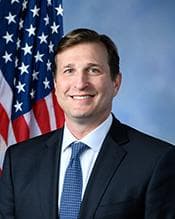
- Introduced
- 9/3/2026
- Last activity
- 9/3/2026 — Referred to the House Committee on Energy and Commerce.
- Sponsored by
- Daniel Goldman
- Cosponsors
- - 5 - 0
- Introduced
- In Committee
What this bill would do
This bill is called the Supporting 9-8-8 Crisis Stabilization Act. It changes how Medicaid deals with certain mental health facilities, known as the IMD exclusion. Specifically, it says that certain centers like certified community behavioral health clinics and crisis receiving facilities are no longer excluded under those rules. It also requires the Secretary of Health and Human Services to give guidance to States on how to carry out these changes. Finally, the bill orders a report to Congress within one year to check on how these facilities are being used and if they help reduce emergency room visits and arrests.
Yes· 3 of 9
Does this make mental health care easier to get?+9
The bill significantly expands access to 24/7 crisis stabilization and urgent care services via Medicaid.
Would households on low incomes be better off under this?+8
The bill expands Medicaid access and mandates sliding scale discounts based on ability to pay.
Does this put more money into Medicaid, the health coverage for people on low incomes?+7
The bill expands Medicaid coverage by excluding certain crisis facilities from the IMD exclusion.
The opposite
No question was scored the opposite.
Who it would affect, and how
Potential Positive Impacts for People
-
Section 2(a) changes the definition of an institution for mental diseases so that certain facilities, such as crisis receiving and stabilization facilities and mental health and substance use urgent care facilities, are not included. This means people can get help at these specific locations without running into the old Medicaid roadblocks.
-
Section 2(a) states that a crisis receiving and stabilization facility cannot deny or limit services based on a patient's ability to pay, place of residence, prior trouble with the law, or the severity of their condition. This helps ensure that anyone in crisis can walk in and get the care they need regardless of their personal background.
-
Section 2(a) also requires these crisis receiving and stabilization facilities to use a schedule of discounts adjusted on the basis of a patient's ability to pay. This protects individuals from being gouged financially when they seek urgent help.
-
Section 2(a) allows individuals experiencing a crisis to walk into a mental health and substance use urgent care facility without an appointment to get immediate care, medication, and connection to other services. This gives people quick and easy access to help right when they need it.
Potential Negative Impacts for People
- Based on the provided text, there are no identified negative impacts or burdens placed on individuals or groups of people.
Groups and Interests Ranking
Every group the model scored this bill for, from -10 to +10. Hover a score for the reason it gave.
- Healthcare
- Improves Mental Health Access+9Improves Opioid Crisis Response+7Increases Medicaid Funding+7Improves Healthcare Access+6Reduces Hospital Costs+5
- Demographic And Interest Groups
- Good For Low Income Households+8Good For People With Disabilities+7
- Social Issues And Justice
- Improves Disability Rights+5Improves Policing Reform+5
- 9/3/2026
- Referred to the House Committee on Energy and Commerce.
- 5 Cosponsors added.
- Introduced in House
One bill Congress.gov lists as related to this one — companions in the other chamber, earlier versions, and bills this one absorbed or was folded into.
 Nanette Barragán
Democrat · California
 Doris Matsui
Democrat · California
 Jennifer McClellan
Democrat · Virginia
 Adam Smith
Democrat · Washington
 Lori Trahan
Democrat · Massachusetts