Bill · H.R. 10255· House(119-HR-10255)
Penalties for Polluters Act
- Introduced
- 9/3/2026
- Last activity
- 9/3/2026 — Referred to the Committee on Natural Resources, and in addition to the Committee on Transportation and Infrastructure, for a period to be subsequently determined by the Speaker, in each case for consideration of such provisions as fall within the jurisdiction of the committee concerned.
- Sponsored by
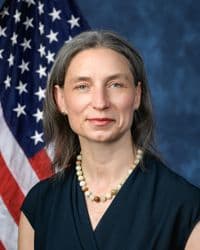
- Maxine Dexter
- Cosponsors
- - 19 - 0
- Introduced
- In Committee
What this bill would do
The Penalties for Polluters Act increases the civil penalties for violations of several laws, including the Mineral Leasing Act, the Federal Oil and Gas Royalty Management Act of 1982, the Outer Continental Shelf Lands Act, and the Oil Pollution Act of 1990. It requires the Secretary of the Interior to adjust these maximum penalties annually based on the Consumer Price Index. The bill also creates the Penalty Revenue Reinvestment Fund to hold "excess revenue" from these increased penalties. Half of these funds will go to harmed States, Indian Tribes, and local governments. The remaining half will support enforcement and compliance activities within specific government bureaus.
Yes· 3 of 12
Does this better protect air, water and wildlife?+8
Significantly increases penalties for violations that threaten life, aquatic life, and the coastal environment.
Does this better protect public land such as parks and forests?+7
Provides more funding for the Bureau of Land Management for enforcement and compliance activities.
Would Native Americans be better off under this?+6
Specifically allocates penalty revenue to Indian Tribes harmed by violations.
The opposite· 3 of 4
Would business owners be better off under this?-5
Increases financial liabilities for energy and mineral resource company owners.
Would billionaires be better off under this?-3
Increases the cost of non-compliance for large-scale industrial operations.
Does this make it easier to run a small business?-3
Increases the financial risk for small energy operators through significantly higher civil penalties.
Who it would affect, and how
Potential Positive Impacts for People
-
Financial Support for Harmed Communities: Section 2(e)(3)(A) allows 50 percent of excess revenue from penalties to be allocated to States, Indian Tribes, and local governments that the Secretary determines were harmed by a violation.
-
Increased Environmental Protection: Section 2(c)(1)(4) increases penalties up to $360,000 per day if a failure threatens harm or damage to life, including fish and aquatic life, property, mineral deposits, or the human, coastal, or marine environment.
-
Better Enforcement: Section 2(e)(3)(B) allocates 50 percent of excess revenue to the Office of Natural Resources Revenue, the Bureau of Safety and Environmental Enforcement, and the Bureau of Land Management for continued compliance and enforcement activities.
Potential Negative Impacts for People
-
Increased Costs for Operators: Various sections, including Section 2(a), Section 2(b), and Section 2(c), significantly increase the maximum civil penalties that persons must pay for failing to comply with laws, regulations, or lease terms.
-
Ongoing Cost Increases: Sections 2(a)(1)(C), 2(b)(2)(C), and 2(c)(2)(B) mandate that the Secretary annually adjust maximum penalties to reflect increases in the Consumer Price Index, meaning fines will continue to rise over time.
Groups and Interests Ranking
Every group the model scored this bill for, from -10 to +10. Hover a score for the reason it gave.
- Environment Energy And Infrastructure
- Improves Environmental Protections+8Improves Public Land Management+7Improves Rural Development+3Reduces Carbon Emissions+2Reduces Fossil Fuel Production+1Reduces Gas Prices-2
- Demographic And Interest Groups
- Good For Native Americans+6Good For Rural Residents+4Good For Children+2Good For Low Income Households+2Good For Young Adults+2Good For Business Owners-5Good For Billionaires-3
- Governance And Ideology
- Increases Federal Power+4Increase States Rights+2
- Economy And Finance
- Improves Small Business Support-3
- 9/3/2026
- Referred to the Committee on Natural Resources, and in addition to the Committee on Transportation and Infrastructure, for a period to be subsequently determined by the Speaker, in each case for consideration of such provisions as fall within the jurisdiction of the committee concerned.
- 19 Cosponsors added.
- Introduced in House
 Yassamin Ansari
Democrat · Arizona
 Suzanne Bonamici
Democrat · Oregon
 Julia Brownley
Democrat · California
 Steve Cohen
Democrat · Tennessee
 Adelita Grijalva
Democrat · Arizona
 Jared Huffman
Democrat · California
 Raja Krishnamoorthi
Democrat · Illinois
 Mike Levin
Democrat · California
 Sam Liccardo
Democrat · California
 Betty McCollum
Democrat · Minnesota
 Kevin Mullin
Democrat · California
 Dave Min
Democrat · California
 Eleanor Norton
Democrat · District of Columbia
 Emily Randall
Democrat · Washington
 Andrea Salinas
Democrat · Oregon
 Lateefah Simon
Democrat · California
 Paul Tonko
Democrat · New York
 Shri Thanedar
Democrat · Michigan
 Juan Vargas
Democrat · California