Bill · H.R. 10092· House(119-HR-10092)
GATE Act of 2026
- Introduced
- 8/13/2026
- Last activity
- 8/13/2026 — Referred to the House Committee on Science, Space, and Technology.
- Sponsored by
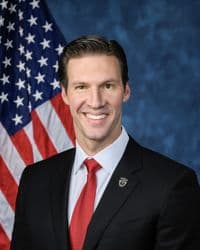
- Pat Harrigan
- Cosponsors
- - 8 - 0
- Introduced
- In Committee
What this bill would do
The bill is known as the Guarding American Technology from Exploitation Act of 2026 or the GATE Act of 2026. It stops National Laboratories from admitting certain foreign nationals as visitors or assignees. The banned individuals include foreign nationals from the People's Republic of China, the Russian Federation, the Islamic Republic of Iran, the Democratic People's Republic of Korea, and the Republic of Cuba. Lawfully admitted permanent residents and United States citizens are excluded from this ban. The Secretary of Energy can issue a waiver after consulting with specific counterintelligence officials if the benefits to the United States outweigh the risks.
Yes· 3 of 4
Does this make patent and copyright rules fairer?+4
Aims to prevent foreign exploitation of US-funded technological research.
Does this give the federal government more power?+3
Increases federal control over who can access National Laboratories.
Does this make what the government does easier for the public to see?+2
Requires the Secretary of Energy to notify Congress when waivers are issued.
The opposite· 3 of 6
Would immigrants be better off under this?-6
Directly prohibits specific foreign nationals from accessing national labs.
Would Asian Americans be better off under this?-4
Could negatively impact researchers from China (a targeted country) who may be Asian Americans or residents.
Would students be better off under this?-3
Restricts educational and research opportunities for students from targeted nations.
Who it would affect, and how
Potential Positive Impacts for People
- Protection of National Security and Technology: Section 2(b)(1) prohibits National Laboratories from admitting or giving access to covered foreign nationals as visitors or assignees, which helps prevent foreign access to laboratory premises, information, and technology.
Potential Negative Impacts for People
- Denial of Access for Specific Foreign Nationals: Section 2(b)(1) bars foreign nationals from China, Russia, Iran, North Korea, and Cuba from accessing National Laboratories as visitors or assignees unless a specific waiver is granted.
Groups and Interests Ranking
Every group the model scored this bill for, from -10 to +10. Hover a score for the reason it gave.
- Demographic And Interest Groups
- Good For Immigrants-6Good For Asian Americans-4Good For Students-3
- National Security And Foreign Policy
- Improves Diplomatic Engagement-3Improves International Alliances-3
- Governance And Ideology
- Increases Federal Power+3Improves Government Transparency+2
- Education And Technology
- Improves Intellectual Property Fairness+4
- Economy And Finance
- Improves Economic Growth+2
- Social Issues And Justice
- Improves Pathway To Citizenship-2
- 10/5/2026
- 1 Cosponsor added.
- 9/24/2026
- 2 Cosponsors added.
- 9/16/2026
- 1 Cosponsor added.
- 9/14/2026
- 2 Cosponsors added.
- 8/31/2026
- 2 Cosponsors added.
- 8/13/2026
- Referred to the House Committee on Science, Space, and Technology.
- Introduced in House
One bill Congress.gov lists as related to this one — companions in the other chamber, earlier versions, and bills this one absorbed or was folded into.
 Sheri Biggs
Republican · South Carolina
 Mike Flood
Republican · Nebraska
 Paul Gosar
Republican · Arizona
 Mike Haridopolos
Republican · Florida
 Mark Harris
Republican · North Carolina
 Derek Schmidt
Republican · Kansas
 Matt Van Epps
Republican · Tennessee
 Randy Weber
Republican · Texas