Bill · H.R. 10038· House(119-HR-10038)
FORK Act of 2026
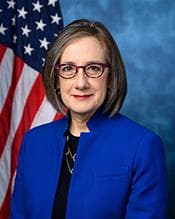
- Introduced
- 8/3/2026
- Last activity
- 8/3/2026 — Referred to the House Committee on Education and Workforce.
- Sponsored by
- Andrea Salinas
- Cosponsors
- - 2 - 1
- Introduced
- In Committee
What this bill would do
The "Feeding Our Rural Kids Act of 2026" (or "FORK Act of 2026") amends the Richard B. Russell National School Lunch Act to create a summer meal delivery vehicle pilot program. The Secretary will provide grants up to $100,000 to service institutions to buy, retrofit, or repair vehicles used to distribute noncongregate meals. Priority for these grants will be given to entities in areas with poor economic conditions, areas outside core-based statistical areas, and areas serving many socially disadvantaged students. The Secretary must also ensure grantees are located in different States to the maximum extent practicable. The program includes reporting requirements and technical assistance. Funding is authorized at $1,000,000 per year from fiscal years 2027 through 2029.
Yes· 3 of 13
Would people in rural areas be better off under this?+9
Specifically targets rural areas outside core-based statistical areas for meal delivery.
Would children be better off under this?+8
Significantly increases access to summer meals for children in rural and underserved areas.
Would households on low incomes be better off under this?+7
Prioritizes funding for areas with poor economic conditions and disadvantaged students.
The opposite
No question was scored the opposite.
Who it would affect, and how
Potential Positive Impacts for People
-
Increased Meal Access: Grants allow eligible entities to purchase, retrofit, or repair vehicles to help distribute noncongregate meals (Section 2(B)).
-
Support for Underserved Areas: Priority is given to entities in areas with poor economic conditions, those outside core-based statistical areas, and those serving a high proportion of socially disadvantaged students (Section 2(C)).
-
Geographic Diversity: The Secretary is required to ensure that grant recipients are located in different States as much as possible (Section 2(D)).
-
Guidance for Success: The Secretary will provide technical assistance and share best practices with the entities receiving grants (Section 2(F)).
Potential Negative Impacts for People
-
Limited Funding: The total authorized appropriation is $1,000,000 per year for fiscal years 2027 through 2029, which may limit how many people can be helped (Section 2(H)).
-
Spending Caps: Eligible entities are restricted from using more than 10 percent of grant funds for administrative expenses (Section 2(E)(iii)).
Groups and Interests Ranking
Every group the model scored this bill for, from -10 to +10. Hover a score for the reason it gave.
- Demographic And Interest Groups
- Good For Rural Residents+9Good For Children+8Good For Low Income Households+7Good For Students+7Good For African Americans+3Good For Hispanic Americans+3Good For Native Americans+3
- Social Issues And Justice
- Improves Poverty Reduction+4Improves Racial Equity+2
- Environment Energy And Infrastructure
- Improves Rural Development+5
- Education And Technology
- Increases Public School Funding+3
- Healthcare
- Improves Healthcare Access+3
- Governance And Ideology
- Increases Federal Power+1
- 8/3/2026
- Referred to the House Committee on Education and Workforce.
- 3 Cosponsors added.
- Introduced in House
One bill Congress.gov lists as related to this one — companions in the other chamber, earlier versions, and bills this one absorbed or was folded into.
 Suzanne Bonamici
Democrat · Oregon
 Val Hoyle
Democrat · Oregon
 Michael Lawler
Republican · New York