Bill · H.R. 10025· House(119-HR-10025)
Preventing Abuse of Digital Replicas Act
- Introduced
- 8/3/2026
- Last activity
- 8/3/2026 — Referred to the House Committee on the Judiciary.
- Sponsored by
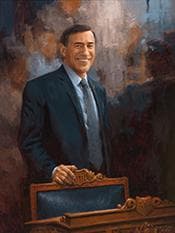
- Darrell Issa
- Cosponsors
- None
- Introduced
- In Committee
What this bill would do
This bill is called the Preventing Abuse of Digital Replicas Act. It amends the Trademark Act of 1946 to address the use of unauthorized AI-generated digital replicas of living people. The bill helps individuals protect their identity from being used in false product endorsements and advertising. It creates a legal shortcut by establishing a rebuttable presumption that using a digital replica to sell goods or services causes consumer confusion. At the same time, the bill protects First Amendment rights and expressive works like films and music. Finally, it limits individuals from seeking relief under multiple other laws if they choose to use this specific new legal path.
Yes· 3 of 5
Does this make patent and copyright rules fairer?+6
Provides better IP-like protections for individuals' identifying characteristics against AI exploitation.
Does this give people more protection from unfair business practices?+5
Protects consumers from being deceived by false endorsements created by AI digital replicas.
Does this protect people from being watched or searched?+5
Protects the right of living individuals to control the commercial use of their digital identity.
The opposite
Does this leave more decisions to the states?-3
Limits the ability to seek relief under state laws if the federal rebuttable presumption is invoked.
Who it would affect, and how
Potential Positive Impacts for People
-
Easier Legal Protection for Everyday People: Section 3(a), adding Section 43(a)(4) to the Trademark Act, allows a person bringing a civil action to invoke a rebuttable presumption that the digital replica causes confusion or mistakes about product endorsement. This is helpful because the findings note that everyday individuals previously faced difficulties proving consumer confusion due to a lack of general fame or resources.
-
Protection from Fraudulent Endorsements: Section 3(a), adding Section 43(a)(4) to the Trademark Act, gives people a clear way to fight back against unauthorized computer-generated replicas of their image, voice, or likeness being used to sell products. This protects individuals from having their reputation and livelihood harmed by fake ads.
-
Safeguards for Consumers: Section 3(a), adding Section 43(a)(4) to the Trademark Act, protects consumers from being tricked into buying dangerous or unwanted products because they falsely believe a trusted person endorsed them.
Potential Negative Impacts for People
-
Restriction on Multiple Lawsuits: Section 3(a), adding Section 43(a)(6) to the Trademark Act, states that a person may not seek relief under any other provision of Federal, State, local, or municipal law if they file a civil action and invoke the specific rebuttable presumption provided in this bill, with only a few narrow exceptions. This limits legal options for victims who might want to pursue claims under multiple different laws.
-
Exceptions for Expressive Works and First Amendment: Section 3(a), adding Section 43(a)(5) to the Trademark Act, makes the helpful legal presumption unavailable if the digital replica is used in an expressive work, promotional material for an expressive work, or is protected by the First Amendment. While protecting free speech, this means individuals may not have this specific legal advantage when their likeness is used in certain creative contexts.
Groups and Interests Ranking
Every group the model scored this bill for, from -10 to +10. Hover a score for the reason it gave.
- Education And Technology
- Improves Intellectual Property Fairness+6Increases Big Tech Regulation+3
- Economy And Finance
- Improves Consumer Protection+5
- Governance And Ideology
- Improves Privacy Rights+5Increases Federal Power+2Increase States Rights-3
- 8/3/2026
- Referred to the House Committee on the Judiciary.
- Introduced in House