Bill · H.Con.Res. 60· House(119-HCONRES-60)
Expressing support for the designation of the week of November 10 through November 16, 2025, as "National Caregiving Youth Week" to raise awareness and encourage national recognition of children and adolescents under 18 years of age who serve as a primary or secondary caregiver for family or household members.
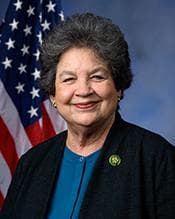
- Introduced
- 11/13/2025
- Last activity
- 11/13/2025 — Referred to the House Committee on Education and Workforce.
- Sponsored by
- Lois Frankel
- Cosponsors
- - 10 - 1
- Introduced
- In Committee
A concurrent resolution is how the House and the Senate settle something they do together, such as a budget plan or a joint session. It is adopted once both chambers agree to it, and that puts it into effect; it is not a law, so it does not go to the President.
What this bill would do
This resolution expresses support for designating the week of November 10 through November 16, 2025, as National Caregiving Youth Week. It aims to raise awareness and encourage national recognition for children and adolescents under 18 who act as caregivers for family or household members. The text highlights that there are an estimated more than 6,000,000 caregiving youth nationwide who face challenges balancing their duties with education and mental health. The resolution encourages educators, health care professionals, and policymakers to become more familiar with the needs of these youth. Finally, it recommends including caregiving youth in statewide family caregiver task forces and supports federal initiatives for up-to-date research.
Yes· 3 of 25
Would children be better off under this?+8
Directly aims to recognize and support children and adolescents under 18 who are caregivers.
Would students be better off under this?+7
Aims to mitigate challenges balancing caregiving with education and preventing school dropout.
Would people in their twenties and thirties be better off under this?+6
Addresses the risks of reduced educational options during the transition to adulthood for caregiving youth.
The opposite
No question was scored the opposite.
Who it would affect, and how
Potential Positive Impacts for People
-
Congress supports the designation of National Caregiving Youth Week, which aims to raise awareness and encourage national recognition of children and adolescents under 18 who serve as primary or secondary caregivers for family or household members, as stated in Resolved (1). This is positive because it brings much-needed attention to an underserved population.
-
The resolution encourages educators, research institutions, health care professionals, community leaders, and policymakers to become more familiar with the work, needs, and contributions of caregiving youth under Resolved (3). This could lead to better understanding and support systems for these young people.
-
Under Resolved (4), the text recommends the inclusion of caregiving youth in statewide family caregiver task forces. This is a positive step to ensure that the voices and needs of these youth are included in formal discussions and planning.
-
The resolution supports Federal initiatives to provide up-to-date, nationwide research on caregiving youth under Resolved (5). This is beneficial because better data can help identify and support this population, whose actual numbers are currently unknown due to limited data collection.
Potential Negative Impacts for People
- Based on the provided text, there are no specific sections or provisions identified that outline negative consequences, burdens, or penalties for individuals or groups of people in the United States.
Groups and Interests Ranking
Every group the model scored this bill for, from -10 to +10. Hover a score for the reason it gave.
- Demographic And Interest Groups
- Good For Children+8Good For Students+7Good For Young Adults+6Good For Low Income Households+5Good For African Americans+4Good For Asian Americans+4Good For Hispanic Americans+4Good For Native Americans+4Good For People With Disabilities+4Good For Middle Class Households+3Good For Veterans+3Good For White Americans+3Good For High Income Households+2Good For Retirees+2Good For Seniors+2
- Healthcare
- Increases Research Funding+3Improves Healthcare Access+2Improves Mental Health Access+2Improves Opioid Crisis Response+1Improves Veterans Healthcare+1
- Social Issues And Justice
- Improves Disability Rights+2Improves Poverty Reduction+2Improves Racial Equity+2
- Education And Technology
- Increases Scientific Research Funding+2
- National Security And Foreign Policy
- Improves Veterans Benefits+1
- 9/24/2026
- 1 Cosponsor added.
- 11/17/2025
- 5 Cosponsors added.
- 11/13/2025
- Submitted in House
- Referred to the House Committee on Education and Workforce.
- 5 Cosponsors added.
 Debbie Dingell
Democrat · Michigan
 Dwight Evans
Democrat · Pennsylvania
 Adriano Espaillat
Democrat · New York
 Jahana Hayes
Democrat · Connecticut
 Jared Moskowitz
Democrat · Florida
 Morgan McGarvey
Democrat · Kentucky
 Eleanor Norton
Democrat · District of Columbia
 Maria Salazar
Republican · Florida
 Eric Swalwell
Democrat · California
 Debbie Wasserman Schultz
Democrat · Florida
 Bonnie Watson Coleman
Democrat · New Jersey