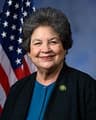
Lois Frankel (D-FL)
Expressing support for the designation of the week of November 9 through November 15, 2026, as "National Caregiving Youth Week" to raise awareness and encourage national recognition of children and adolescents under 18 years of age who serve as a primary or secondary caregiver for family or household members.
A Democratic resolution with 1 Republican cosponsor · See all 4 cosponsors
Last activity — Referred to the House Committee on Education and Workforce.
In committee
Introduced and handed to a committee in the chamber it started in.
The committee holds it, and most bills are never heard from again. A hearing or a committee vote would be news; silence is the usual outcome, and it kills the bill without anyone voting against it.
Its path through Congress
- Introduced
- In Committee
A concurrent resolution is how the House and the Senate settle something they do together, such as a budget plan or a joint session. It is adopted once both chambers agree to it, and that puts it into effect; it is not a law, so it does not go to the President.
What this bill would do
This resolution expresses support for designating the week of November 9 through November 15, 2026, as National Caregiving Youth Week. It aims to raise awareness and encourage national recognition for children and adolescents under 18 who serve as caregivers for family members. The text notes that there are an estimated 6,000,000 caregiving youth nationwide who often face challenges balancing duties with their education and well-being. It encourages educators, healthcare professionals, and policymakers to become more familiar with the needs of these young people. Additionally, the measure supports federal initiatives to provide up-to-date nationwide research on caregiving youth.
Yes· 3 of 9
- Scored +5
Would children be better off under this?
The resolution specifically raises awareness, recognition, and support for children and adolescents under 18 serving as caregivers.
- Scored +4
Would people in their twenties and thirties be better off under this?
By addressing the needs of caregiving youth, the resolution helps ease their transition into adulthood.
- Scored +4
Would students be better off under this?
The resolution encourages schools to identify caregiving youth and connect them with academic and mental health supports to prevent school dropouts.
The opposite
No question was scored the opposite.
Who it would affect, and how
Potential Positive Impacts for People
-
Recognition and Support: Under resolved paragraph (1) and paragraph (2), Congress supports designating National Caregiving Youth Week and recognizes caregiving youth as an underserved and underrecognized population, which brings visibility to their hard work.
-
School and Community Connections: Under resolved paragraph (4), schools and school districts are encouraged to use age-appropriate practices to identify caregiving youth and connect them with appropriate academic, mental health, and social supports.
-
Better Trained Professionals: Under resolved paragraph (5), relevant professional preparation curricula and continuing education for educators, nurses, physicians, behavioral health professionals, and social workers are encouraged to include information about identifying and supporting caregiving youth.
-
Federal Research: Under resolved paragraph (7), the text supports federal initiatives to provide up-to-date, nationwide research on caregiving youth, which helps address the lack of a comprehensive national census since 2005.
Potential Negative Impacts for People
- The provided text does not contain any sections or provisions that outline negative consequences, burdens, or penalties for individuals or groups of people in the United States.
Groups and Interests Ranking
Every group the model scored this bill for, from -10 to +10. Tap or hover a score for the reason it gave.
- Demographic And Interest Groups
- Would children be better off under this? — The resolution specifically raises awareness, recognition, and support for children and adolescents under 18 serving as caregivers. Would students be better off under this? — The resolution encourages schools to identify caregiving youth and connect them with academic and mental health supports to prevent school dropouts. Would people in their twenties and thirties be better off under this? — By addressing the needs of caregiving youth, the resolution helps ease their transition into adulthood. Would households on low incomes be better off under this? — The text notes that families with low incomes are disproportionately likely to rely on caregiving youth, who will benefit from targeted support.
- Healthcare
- Does this make health care easier to get in general? — The resolution encourages professionals to better identify and support caregiving youth, improving access to necessary resources. Does this make mental health care easier to get? — The resolution encourages schools and communities to connect caregiving youth with appropriate mental health supports. Does this put more money into medical research? — The resolution supports federal initiatives to provide up-to-date, nationwide research on caregiving youth.
- Education And Technology
- Does this put more money into scientific research? — The resolution supports federal initiatives for up-to-date nationwide research regarding the caregiving youth population.
- Social Issues And Justice
- Is this likely to lift people out of poverty? — Recognizing and supporting caregiving youth, particularly in low-income families, helps mitigate challenges that impact their future success.
- 10/29/2026
- Submitted in House
- Referred to the House Committee on Education and Workforce.
- 4 Cosponsors added.
 Debbie Dingell
Democrat · Michigan
 Dwight Evans
Democrat · Pennsylvania
 Maria Salazar
Republican · Florida
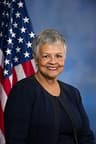 Bonnie Watson Coleman
Democrat · New Jersey