Amendment · S.Amdt. 5648· Senate(119-SAMDT-5648)
S.Amdt. 5648
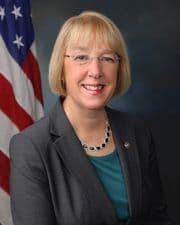
- Introduced
- 6/4/2026
- Sponsored by
- Patty Murray
- Cosponsors
- - 1 - 0
- Changes bill
- 119-S-2 — Secure America Act
- Introduced
- Pending Consideration
- Failed
What this amendment would do
This amendment aims to establish Immigration Enforcement Reforms by placing strict limits and new requirements on how the Department of Homeland Security (DHS) operates. Its primary purpose is to increase accountability, protect civil liberties, and set clear standards for the treatment of individuals during immigration enforcement.
The amendment seeks to add the following changes to the bill:
-
Oversight and Access: It prevents DHS from blocking Members of Congress or their designated employees from entering detention facilities for oversight purposes and prohibits modifying facilities to hide conditions from visitors.
-
Arrest and Warrant Requirements: It requires a specific type of warrant for civil immigration arrests, including documentation of probable cause and approval by a supervising officer. It also allows magistrate judges to review arrests and terminate removal proceedings if the arrest violated the Fourth Amendment or other specified requirements.
-
Officer Accountability:
- Requires the use of body-worn cameras with sound and video during public engagements and arrests, with specific rules for retaining footage for 4 years.
- Mandates that officers wear visible identification, including numerical identifiers, and prohibits face coverings unless medically necessary.
- Prohibits the use of funds to withhold evidence during use-of-force investigations that result in death or injury.
-
Use of Force Standards: It requires the Secretary of Homeland Security to create minimum standards for the use of force, which must include:
- Prohibiting chokeholds and carotid holds (with very narrow exceptions).
- Requiring de-escalation tactics.
- Establishing a duty for officers to intervene if they witness excessive force.
- Prohibiting firing at moving vehicles unless specific deadly threats exist.
-
Protections for Individuals:
- Sensitive Locations: Prohibits enforcement activities at locations such as schools, hospitals, houses of worship, and polling places, unless there is a judicial warrant or immediate threat of death or serious injury.
- U.S. Citizens: Prohibits the use of funds to detain or deport United States citizens.
- Racial Profiling: Bans arrests or detentions based on race, religion, national origin, gender identity, sexual orientation, ethnicity, or the use of a language other than English.
- First Amendment: Prohibits using funds to surveil, target, or arrest people for exercising First Amendment protected speech.
-
Detention and Property Standards:
- Requires detention facilities to meet national standards for medical care, sanitation, and legal access.
- Prohibits forced entry into private property based on administrative warrants, requiring instead a warrant issued by a judicial officer or magistrate judge.
- 6/4/2026
- 1 Cosponsor added.
- Senate amendment submitted
 Alex Padilla
Democrat · California