Bill · S.Res. 942· Senate(119-SRES-942)
A resolution recognizing and supporting the goals and ideals of National Forensic Science Week.
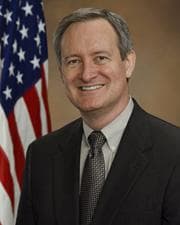
- Introduced
- 9/30/2026
- Last activity
- 9/30/2026 — Submitted in the Senate, considered, and agreed to without amendment and with a preamble by Unanimous Consent. (consideration: CR S5299; text: CR S5271)
- Sponsored by
- Mike Crapo
- Cosponsors
- - 1 - 1
- Introduced
- Officially Recorded
- Adopted by the Senate
A Senate resolution is the Senate speaking for itself: stating a position, honouring someone, or setting its own rules. Adopting it is the whole process. Once the Senate agrees to it, it is officially the Senate's word; it is not a law, so the House and the President have no part in it.
What this bill would do
This resolution recognizes and supports the goals and ideals of National Forensic Science Week, which was set for the week of September 20, 2026, to September 26, 2026. The Senate highlights the importance of forensic science in investigating crimes, convicting the right perpetrators, and clearing innocent people. The text notes how forensic science service providers partner with Federal agencies to build criminal databases and work with Federal, State, and local agencies to protect public safety. It encourages forensic science providers to host community events, offer lab tours to policymakers, and work with local media. Finally, the resolution outlines ways for local policymakers, the public, the media, and law enforcement to engage with these laboratories and understand their operational needs.
Yes
Does this make what the government does easier for the public to see?+3
The resolution encourages forensic science service providers to host community events and lab tours for policymakers and the public to increase understanding of their operations.
Does this shorten or soften prison sentences?+2
The resolution supports the use of forensic science in the investigation of crimes and the exoneration of innocent individuals falsely accused.
The opposite
No question was scored the opposite.
Who it would affect, and how
Potential Positive Impacts for People
-
Resolved section (2)(A)(ii) encourages forensic science service providers to organize community events so the public can better understand forensic science. This is a positive step because it helps everyday folks learn more about how these sciences work in our justice system.
-
Resolved section (2)(B)(iii) encourages local policymakers to visit local forensic science laboratories to understand their capabilities and needs. This is helpful because it gets our elected officials out seeing firsthand what these labs require to operate properly.
-
Resolved section (2)(C)(ii) gives individuals in the United States and members of the media the opportunity to take tours of local forensic science laboratories. This allows the people we hold accountable to see behind the scenes and ask about operational and legislative needs directly.
Potential Negative Impacts for People
- Based on the provided text, there are no specific sections or provisions identified that create negative consequences or burdens for individuals or groups of people in the United States.
Groups and Interests Ranking
Every group the model scored this bill for, from -10 to +10. Hover a score for the reason it gave.
- Governance And Ideology
- Improves Government Transparency+3
- Social Issues And Justice
- Improves Criminal Sentencing Reform+2
- 9/30/2026
- Passed/agreed to in Senate: Submitted in the Senate, considered, and agreed to without amendment and with a preamble by Unanimous Consent.
- Submitted in the Senate, considered, and agreed to without amendment and with a preamble by Unanimous Consent. (consideration: CR S5299; text: CR S5271)
- 2 Cosponsors added.
- Bill introduced.
 James Risch
Republican · Idaho
 Peter Welch
Democrat · Vermont