Bill · S.Res. 941· Senate(119-SRES-941)
A resolution expressing support for the designation of the week of October 24, 2026, to October 31, 2026, as "Bat Week".
- Introduced
- 9/30/2026
- Last activity
- 9/30/2026 — Submitted in the Senate, considered, and agreed to without amendment and with a preamble by Unanimous Consent. (consideration: CR S5299; text: CR S5270-5271)
- Sponsored by
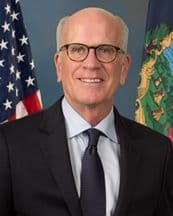
- Peter Welch
- Cosponsors
- - 1 - 0
- Introduced
- Officially Recorded
- Adopted by the Senate
A Senate resolution is the Senate speaking for itself: stating a position, honouring someone, or setting its own rules. Adopting it is the whole process. Once the Senate agrees to it, it is officially the Senate's word; it is not a law, so the House and the President have no part in it.
What this bill would do
This resolution expresses support for designating the week of October 24, 2026, to October 31, 2026, as Bat Week. It highlights the vital roles bats play in ecosystems, national economies, and human health, including controlling damaging insect pests and pollinating plants. The text notes the severe threat posed to bats by a fungal disease known as white-nose syndrome. It recognizes the ongoing response and research led by the Department of the Interior and other agencies to combat the disease. Finally, the Senate states its intention to continue conserving bat species, protect their habitats, and work to defeat white-nose syndrome.
Yes· 3 of 6
Does this better protect air, water and wildlife?+5
The resolution expresses the Senate's intention to continue conserving bat species and their habitats and to defeat white-nose syndrome.
Does this better protect public land such as parks and forests?+4
The resolution supports ongoing efforts by federal agencies like the Department of the Interior to conserve bat species and habitats.
Would farmers be better off under this?+4
The resolution highlights that bats save U.S. farmers billions of dollars in pest control every year.
The opposite
No question was scored the opposite.
Who it would affect, and how
Potential Positive Impacts for People
-
Support for Agriculture and Farmers: The text highlights that bats save farmers in the United States more than $3,700,000,000 in pest control every year and act as pollinators and pest control for agriculture. This is beneficial because it helps support the agricultural economy and food production. This is found in the preamble and Resolved section (3).
-
Conservation and Disease Research: The resolution encourages the observance of Bat Week and states the Senate's intention to continue working to conserve bat species and their habitats, and to work to defeat white-nose syndrome. This is positive as it supports ongoing international and multi-agency progress to understand and treat the fungal disease affecting millions of bats. This is found in Resolved sections (2) and (4).
Potential Negative Impacts for People
- None Identified: The provided text does not contain any specific sections or provisions that outline negative consequences or burdens for individuals or groups of people in the United States.
Groups and Interests Ranking
Every group the model scored this bill for, from -10 to +10. Hover a score for the reason it gave.
- Environment Energy And Infrastructure
- Improves Environmental Protections+5Improves Public Land Management+4Improves Rural Development+3
- Demographic And Interest Groups
- Good For Farmers+4
- Education And Technology
- Increases Scientific Research Funding+3
- Healthcare
- Increases Research Funding+3
- 9/30/2026
- Passed/agreed to in Senate: Submitted in the Senate, considered, and agreed to without amendment and with a preamble by Unanimous Consent.
- Submitted in the Senate, considered, and agreed to without amendment and with a preamble by Unanimous Consent. (consideration: CR S5299; text: CR S5270-5271)
- 1 Cosponsor added.
- Bill introduced.
 Cory Booker
Democrat · New Jersey