Bill · S.Con.Res. 38· Senate(119-SCONRES-38)
A concurrent resolution setting forth the congressional budget for the United States Government for fiscal year 2027 and setting forth the appropriate budgetary levels for fiscal years 2028 through 2036.
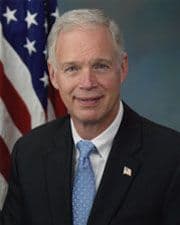
- Introduced
- 8/7/2026
- Last activity
- 8/7/2026 — Placed on Senate Legislative Calendar under General Orders. Calendar No. 550. (text: CR S4571-4577)
- Sponsored by
- Ron Johnson
- Cosponsors
- None
- Introduced
- On Calendar
A concurrent resolution is how the Senate and the House settle something they do together, such as a budget plan or a joint session. It is adopted once both chambers agree to it, and that puts it into effect; it is not a law, so it does not go to the President.
What this bill would do
This resolution sets the official congressional budget for the United States Government for fiscal year 2027 and lays out appropriate budgetary levels for fiscal years 2028 through 2036. It establishes overall figures for federal revenues, budget authority, outlays, deficits, and the public debt over this ten-year period. Additionally, the text details recommended spending levels for various major functional categories, such as national defense, agriculture, and health. The measure provides specific reconciliation instructions directing various House and Senate committees to submit legislative changes that affect the deficit. Finally, it outlines budgetary reserve funds and rules regarding emergency requirements and administrative expense allocations.
Yes· 3 of 30
Would veterans be better off under this, taking everything together?+9
The budget allocates massive resources for Veterans Benefits and Services.
Would people over 65 be better off under this?+8
Very high funding levels for Medicare and Social Security specifically benefit seniors.
Would retired people be better off under this?+8
Substantial funding for Social Security and Medicare directly supports retirees.
The opposite· 3 of 4
Does this reduce what the federal government owes?-8
The resolution projects a significant increase in public debt from $41.3 trillion in 2027 to $58.7 trillion by 2036.
Does this make the government pay for what it commits to?-7
The bill sets persistent annual deficits between $1.3 trillion and $1.6 trillion.
Does this reduce what is spent on the military?-7
National Defense spending is projected to increase from $955 billion in 2027 to over $1.1 trillion by 2036.
Who it would affect, and how
Potential Positive Impacts for People
-
Funding for Veterans: Section 1102(15) sets specific budget authority and outlay levels for Veterans Benefits and Services, providing dedicated resources that can directly benefit veterans and their families.
-
Support for Education and Training: Section 1102(10) outlines funding for Education, Training, Employment, and Social Services, which directs federal resources toward supporting workforce development and educational programs for individuals.
-
Disaster Relief Adjustments: Section 4007(a) allows the House Budget Committee chair to adjust budgetary levels for disaster relief, ensuring that communities impacted by natural disasters can receive necessary federal assistance under the Stafford Act.
Potential Negative Impacts for People
-
Rising National Debt: Section 1101(5) projects the public debt to climb significantly, reaching over $58.7 trillion by fiscal year 2036, which places a heavy long-term financial burden on everyday Americans and future generations.
-
Substantial Deficits: Section 1101(4) outlines ongoing multi-trillion-dollar deficits year after year, meaning the government plans to consistently spend significantly more money than it brings in through revenues.
Groups and Interests Ranking
Every group the model scored this bill for, from -10 to +10. Hover a score for the reason it gave.
- Demographic And Interest Groups
- Good For Veterans+9Good For Retirees+8Good For Seniors+8Good For Low Income Households+7Good For People With Disabilities+6Good For Rural Residents+6Good For Urban Residents+6Good For Farmers+5Good For Students+5Good For Children+4Good For Middle Class Households+4Good For Young Adults+4Good For Middle Aged+3
- Environment Energy And Infrastructure
- Improves Disaster Relief And F E M A+7Improves Public Transit+6Improves Roads And Bridges+6Improves Public Land Management+5Improves Rural Development+5Improves Environmental Protections+4
- Healthcare
- Improves Veterans Healthcare+8Increases Medicare Funding+7Improves Healthcare Access+6Increases Medicaid Funding+5
- Economy And Finance
- Reduces National Debt-8Improves Fiscal Responsibility-7Reduces Government Spending-3
- Education And Technology
- Increases Public School Funding+5Increases Scientific Research Funding+5Increases Space Exploration+5
- Social Issues And Justice
- Improves Social Security+6Improves Poverty Reduction+5
- National Security And Foreign Policy
- Improves Veterans Benefits+8Increases Foreign Aid+4Reduces Military Spending-7
- 8/7/2026
- Submitted in Senate
- Read twice and referred to the Committee on the Budget.
- Senate Committee on the Budget discharged pursuant to Section 300 of the Congressional Budget Act.
- Placed on Senate Legislative Calendar under General Orders. Calendar No. 550. (text: CR S4571-4577)
2 bills Congress.gov lists as related to this one — companions in the other chamber, earlier versions, and bills this one absorbed or was folded into.
- 119-SCONRES-39: A concurrent resolution setting forth the congressional budget for the United States Government for fiscal year 2027 and setting forth the appropriate budgetary levels for fiscal years 2028 through 2036.
- 119-SCONRES-40: A concurrent resolution setting forth the congressional budget for the United States Government for fiscal year 2027 and setting forth the appropriate budgetary levels for fiscal years 2028 through 2036.