Bill · S. 999· Senate(119-S-999)
Public Health Improvement Act
- Introduced
- 3/12/2025
- Last activity
- 3/12/2025 — Read twice and referred to the Committee on Health, Education, Labor, and Pensions.
- Sponsored by
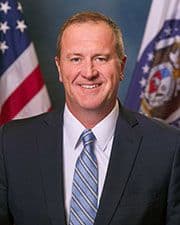
- Eric Schmitt
- Cosponsors
- - 1 - 0
- Introduced
- In Committee
What this bill would do
The Public Health Improvement Act aims to reform the Centers for Disease Control and Prevention (CDC) and limit public health authorities. The bill establishes a 12-year term limit for the Directors of both the CDC and the NIH. It narrows the scope of the CDC's strategic plan and limits the Department of Health and Human Services' regulatory scope to the control of communicable diseases. The Act also changes the appointment process for the CDC's advisory committee. Additionally, it requires congressional approval to renew public health emergency determinations. Finally, it mandates the transfer of several specific offices from the CDC to the NIH.
Yes
Does this make what the government does easier for the public to see?+2
Increased congressional oversight and mandatory notification requirements may improve transparency regarding public health emergencies.
The opposite· 3 of 4
Does this make the country readier for the next outbreak?-4
Limiting the scope of the CDC to only communicable diseases and requiring congressional approval for emergencies may hinder rapid pandemic response.
Does this better protect air, water and wildlife?-3
The removal of environmental hazards from the CDC's strategic plan may reduce focus on environmental health protections.
Does this give the federal government more power?-3
By requiring congressional approval for emergency continuations, the bill shifts power from the executive to the legislative branch.
Who it would affect, and how
Potential Positive Impacts for People
-
Leadership Term Limits: The bill limits the Director of the CDC and the Director of the NIH to a total period of no more than 12 years, as described in Section 2. This could ensure regular leadership turnover in these agencies.
-
Increased Congressional Oversight of Emergencies: Under Section 6, any renewal of a public health emergency determination requires a majority vote in both chambers of Congress. This requires the Secretary to submit written notification to Congress within 48 hours of making a determination.
-
Revised Advisory Committee Membership: Section 4 changes how the advisory committee to the CDC Director is composed, including appointments by the Senate majority and minority leaders, the House Speaker and minority leader, and the Comptroller General.
Potential Negative Impacts for People
-
Narrower Public Health Scope: Section 3 amends the CDC's strategic plan by striking language related to noncommunicable diseases, conditions, injuries, and occupational or environmental hazards.
-
Restricted Regulatory Authority: Section 5 limits the Secretary's ability to make and enforce regulations to the prevention of the introduction, transmission, or spread of communicable diseases from foreign countries or between States and possessions.
-
Changes to Agency Functions: Section 7 mandates the transfer of various offices, such as the National Center on Birth Defects and Developmental Disabilities and the National Center for Environmental Health, from the CDC to the NIH.
Groups and Interests Ranking
Every group the model scored this bill for, from -10 to +10. Hover a score for the reason it gave.
- Healthcare
- Improves Pandemic Preparedness-4
- Environment Energy And Infrastructure
- Improves Environmental Protections-3
- Social Issues And Justice
- Improves Disability Rights-2
- Governance And Ideology
- Improves Government Transparency+2Increases Federal Power-3
- 3/12/2025
- Read twice and referred to the Committee on Health, Education, Labor, and Pensions.
- 1 Cosponsor added.
- Introduced in Senate
 Mike Lee
Republican · Utah