Bill · S. 67· Senate(119-S-67)
Censorship Accountability Act
- Introduced
- 1/9/2025
- Last activity
- 1/9/2025 — Read twice and referred to the Committee on the Judiciary.
- Sponsored by
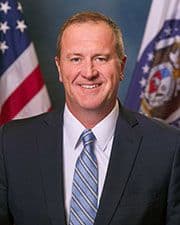
- Eric Schmitt
- Cosponsors
- None
- Introduced
- In Committee
What this bill would do
This bill, known as the "Censorship Accountability Act," establishes a right of action against certain Federal employees. It targets individuals in the executive branch, excluding the President and Vice President, who deprive citizens of their First Amendment rights. If an employee subjects a person to such a deprivation under any statute, regulation, or custom, they can be held liable through legal action. The bill also allows courts to award reasonable attorney's fees to prevailing parties. Finally, it includes a provision stating that if any part of this section is found unconstitutional, the rest remains in effect.
Yes· 3 of 4
Does this protect the individual right to speak freely?+7
The bill establishes a specific mechanism for citizens to seek redress when their First Amendment rights are violated by federal employees.
Does this protect what people are allowed to say in public life?+7
The bill creates a legal right of action for individuals to sue federal employees who deprive them of First Amendment rights.
Does this make what the government does easier for the public to see?+5
The bill increases accountability for federal employees by allowing legal redress for constitutional violations.
The opposite
No question was scored the opposite.
Who it would affect, and how
Potential Positive Impacts for People
-
Right to Redress: Under Section 2(b)(1), citizens or people within U.S. jurisdiction can take legal action against Federal employees who deprive them of First Amendment rights. This provides a way for individuals to seek justice if their constitutional rights are violated by government officials.
-
Legal Cost Assistance: Section 2(c) allows a court to grant the prevailing party a reasonable attorney's fee. This could make it easier for individuals to pursue legal action against government employees without bearing the full financial burden of legal costs.
Potential Negative Impacts for People
- Limitations on Lawsuits: According to Section 2(b)(2), a Federal employee cannot bring a suit against their own employing agency or the Federal Government for conduct within their scope of employment. This limits the scope of who can be sued in certain circumstances.
Groups and Interests Ranking
Every group the model scored this bill for, from -10 to +10. Hover a score for the reason it gave.
- Governance And Ideology
- Improves Freedom Of Speech+7Improves Government Transparency+5
- Social Issues And Justice
- Improves Freedom Of Speech+7
- Demographic And Interest Groups
- Good For Low Income Households+4
- 1/9/2025
- Read twice and referred to the Committee on the Judiciary.
- Introduced in Senate