Bill · S. 5635· Senate(119-S-5635)
Arts Education for All Act
- Introduced
- 9/30/2026
- Last activity
- 9/30/2026 — Read twice and referred to the Committee on Health, Education, Labor, and Pensions.
- Sponsored by
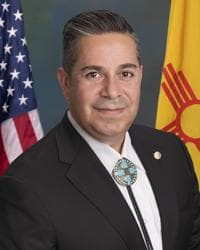
- Ben Luján
- Cosponsors
- - 1 - 0
- Introduced
- In Committee
What this bill would do
This bill is called the Arts Education for All Act and its main goal is to expand and support arts education across the country. It changes several existing laws to bring the arts into early childhood programs, elementary and secondary schools, afterschool programs, and juvenile justice systems. The bill focuses heavily on making sure kids in low-income schools, students with disabilities, and English learners get better access to the arts. It also provides training for teachers so they can use the arts to help teach other subjects like math and science. Finally, it requires regular reporting on arts courses and funds research to see how arts education improves student learning.
Yes· 3 of 12
Would children be better off under this?+7
The bill directly expands access to arts education, creative youth development, and specialized instructional methods for children in early childhood and K-12 programs.
Would students be better off under this?+7
The bill broadly enhances student achievement, engagement, and creative development by integrating arts across multiple educational disciplines.
Would households on low incomes be better off under this?+6
The bill prioritizes arts education resources, teacher placement, and afterschool programming specifically for high-poverty schools and low-income students.
The opposite
No question was scored the opposite.
Who it would affect, and how
Potential Positive Impacts for People
-
Better Early Learning: Section 101 updates the Child Care and Development Block Grant Act of 1990 to include training for child care providers on using the arts and other methods to help young children develop socially, emotionally, and cognitively. This is good because it helps toddlers and young children grow using creative methods.
-
More Arts in K-12 Schools: Section 202 amends section 1111(g) of the Elementary and Secondary Education Act of 1965 to require state plans to support arts education, increase the number of arts teachers, and focus particularly on schools with high percentages of low-income students, students of color, and students with disabilities. This is positive because it helps ensure kids who usually miss out on the arts get fair access.
-
Teacher Training: Section 206 amends section 2103 of the Elementary and Secondary Education Act of 1965 to provide professional development for teachers to integrate the arts into subjects like math, reading, and science. This is a positive step to help teachers make traditional subjects more engaging for students.
-
Community and Afterschool Programs: Section 207 amends section 4205(a) of the Elementary and Secondary Education Act of 1965 to allow afterschool and summer programs to partner with community arts organizations. This is helpful for keeping kids safe and engaged in productive creative activities outside of school hours.
-
Lowering Recidivism: Section 302 amends section 2976(b)(4) of the Omnibus Crime Control and Safe Streets Act of 1968 to use arts education programs to help reduce recidivism and help offenders reconnect with education and employment after reentry. This is a constructive way to help people successfully transition back into society.
Potential Negative Impacts for People
- Increased Paperwork and Reporting: Section 203 amends section 1111(h)(1)(C) of the Elementary and Secondary Education Act of 1965 by adding new reporting requirements for schools to track the number of arts courses, pupil-to-teacher ratios, instructional time, and course availability sorted by poverty levels. While this provides information, it may place an extra administrative burden on school staff who already have a lot of paperwork to handle.
Groups and Interests Ranking
Every group the model scored this bill for, from -10 to +10. Hover a score for the reason it gave.
- Demographic And Interest Groups
- Good For Children+7Good For Students+7Good For Low Income Households+6Good For People With Disabilities+6Good For African Americans+5Good For Hispanic Americans+5Good For Immigrants+5Good For Young Adults+4
- Education And Technology
- Increases Public School Funding+6Increases Scientific Research Funding+5
- Governance And Ideology
- Improves Government Transparency+4
- Social Issues And Justice
- Improves Criminal Sentencing Reform+3
- 9/30/2026
- Read twice and referred to the Committee on Health, Education, Labor, and Pensions.
- 1 Cosponsor added.
- Introduced in Senate
 Mazie Hirono
Democrat · Hawaii