Bill · S. 5525· Senate(119-S-5525)
Banning Toxics from Plastic Bottles Act of 2026
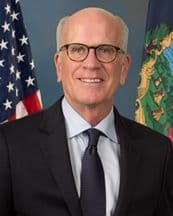
- Introduced
- 9/24/2026
- Last activity
- 9/24/2026 — Read twice and referred to the Committee on Commerce, Science, and Transportation.
- Sponsored by
- Peter Welch
- Cosponsors
- - 3 - 0
- Introduced
- In Committee
What this bill would do
S. 5525 is known as the Banning Toxics from Plastic Bottles Act of 2026. The bill aims to eliminate toxic substances and specific other materials from certain beverage containers. Starting two years after enactment, retailers are prohibited from selling or distributing single-use beverage containers that contain toxic substances, polyethylene glycol, or polyethylene terephthalate glycol, or that are opaque or colored other than transparent blue or green. Retailers violating this prohibition face fines of up to $50,000 per violation, with each product line considered a separate violation. Fines collected under this provision are deposited into a newly established Local Clean Up of Plastics Fund. The Administrator of the Environmental Protection Agency will use this fund to award competitive grants to local governments for solid waste and water system infrastructure improvements.
Yes· 3 of 10
Does this better protect air, water and wildlife?+8
The bill bans toxic substances and certain plastics in beverage containers and funds local remediation of toxic pollutants.
Would people in rural areas be better off under this?+7
The bill mandates that grant funding for water and solid waste infrastructure prioritize rural areas.
Does this invest in rural communities?+7
The legislation prioritizes infrastructure grants for rural areas and underserved communities to improve local water and solid waste systems.
The opposite
Would business owners be better off under this?-4
Retailers face strict fines of up to $50,000 per violation for selling non-compliant beverage product lines.
Who it would affect, and how
Potential Positive Impacts for People
-
Section 3(a): This provision bans retailers from selling single-use beverage containers that contain toxic substances, polyethylene glycol, or polyethylene terephthalate glycol, or that are opaque or colored other than transparent blue or green. This may protect individuals from ingesting harmful chemicals and reduces exposure to dangerous materials.
-
Section 4(b): This provision establishes the Local Clean Up of Plastics Fund to provide grants to local governments for projects improving solid waste and water system infrastructure, recycling facilities, and composting facilities. This can benefit communities by helping remediate toxic substances, improving water filtration, and expanding necessary local infrastructure.
-
Section 4(c): This provision requires the Administrator to give priority for infrastructure grants to rural areas and underserved communities. This ensures that historically overlooked or under-resourced areas receive vital help with local waste and water systems.
Potential Negative Impacts for People
- Section 3(b): This provision penalizes retailers with fines of up to $50,000 per violation, treating each product line as a separate violation if it contains a prohibited container. This could create financial burdens for businesses, which might pass these costs down to everyday consumers through higher prices on beverages.
Groups and Interests Ranking
Every group the model scored this bill for, from -10 to +10. Hover a score for the reason it gave.
- Demographic And Interest Groups
- Good For Rural Residents+7Good For Children+6Good For Low Income Households+5Good For Middle Aged+4Good For Seniors+4Good For Young Adults+4Good For Business Owners-4
- Environment Energy And Infrastructure
- Improves Environmental Protections+8Improves Rural Development+7Reduces Carbon Emissions+5
- Economy And Finance
- Improves Consumer Protection+6
- 9/24/2026
- Read twice and referred to the Committee on Commerce, Science, and Transportation.
- 4 Cosponsors added.
- Introduced in Senate
One bill Congress.gov lists as related to this one — companions in the other chamber, earlier versions, and bills this one absorbed or was folded into.
 Cory Booker
Democrat · New Jersey
 Jeff Merkley
Democrat · Oregon
 Bernie Sanders
Independent · Vermont
 Chris Van Hollen
Democrat · Maryland